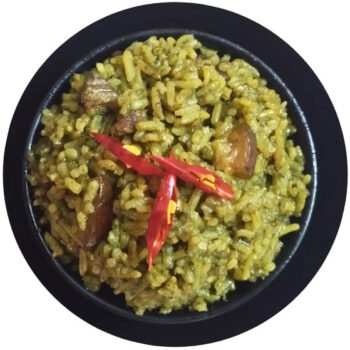
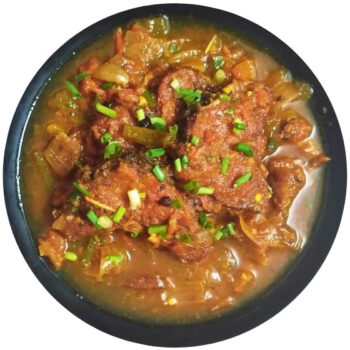
In the highlands of Meghalaya, food is not just nourishment, it's inheritance. The rhythms of Khasi and Garo kitchens follow the pace of the land. Recipes are passed not on paper but through memory, gesture, and repetition mostly from grandmother to mother, from mother to child. A dish like Dohneiiong, pork cooked with black sesame seeds, for instance, is never taught formally; it’s absorbed through observation, through the subtle cues of when the sesame is just right or how pork should feel under a slow flame.
For those who grew up there, food is tied to season and ceremony. Bamboo shoots appear when the rains return. Fermented soybeans bubble in earthen pots during cooler months. Harvest festivals, family gatherings, and mourning rituals alike carry their own tastes. Every ingredient holds meaning just as every dish comes with a story.
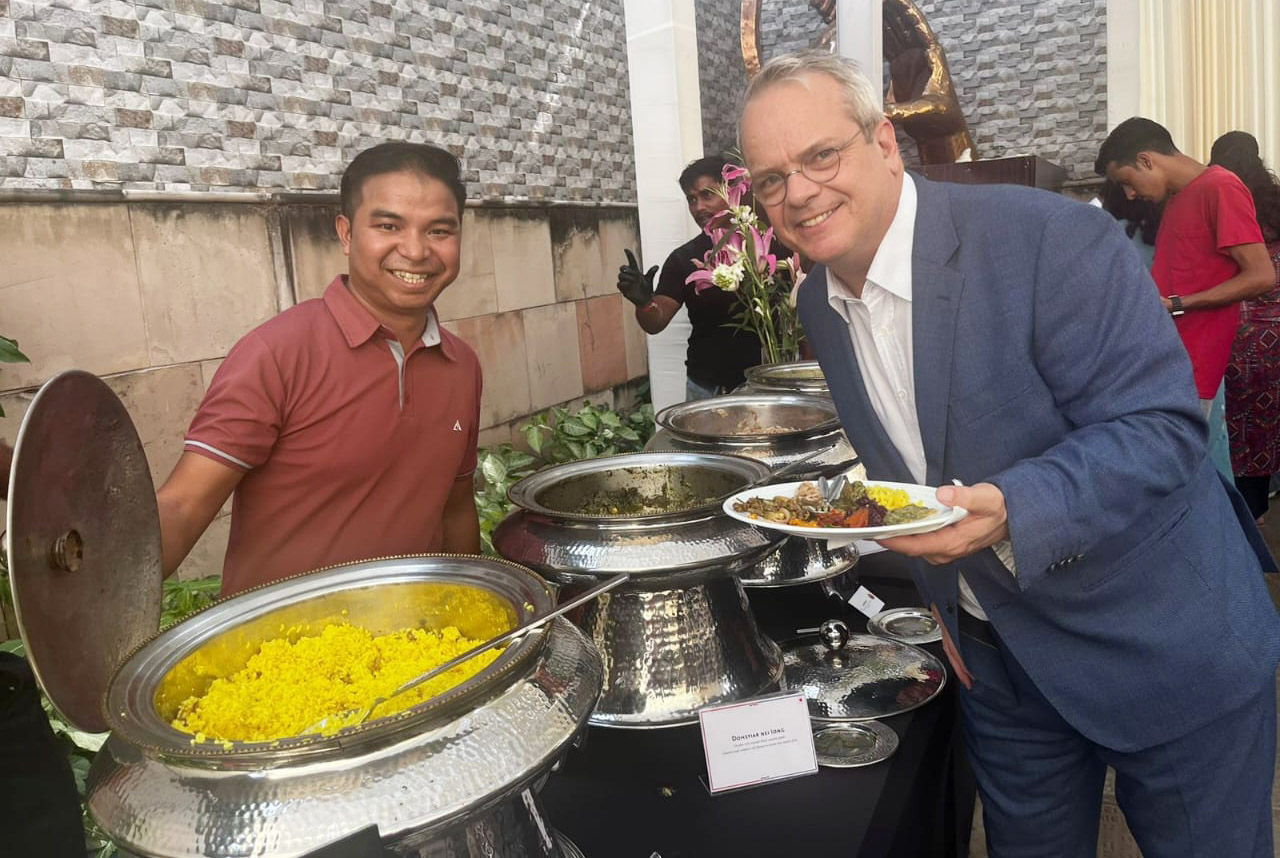
For Nicholas Chyrmang, a Shillong-born professional who spent years in international business and medical tourism, this grounding in food was never left behind, it travelled. And it called him back.
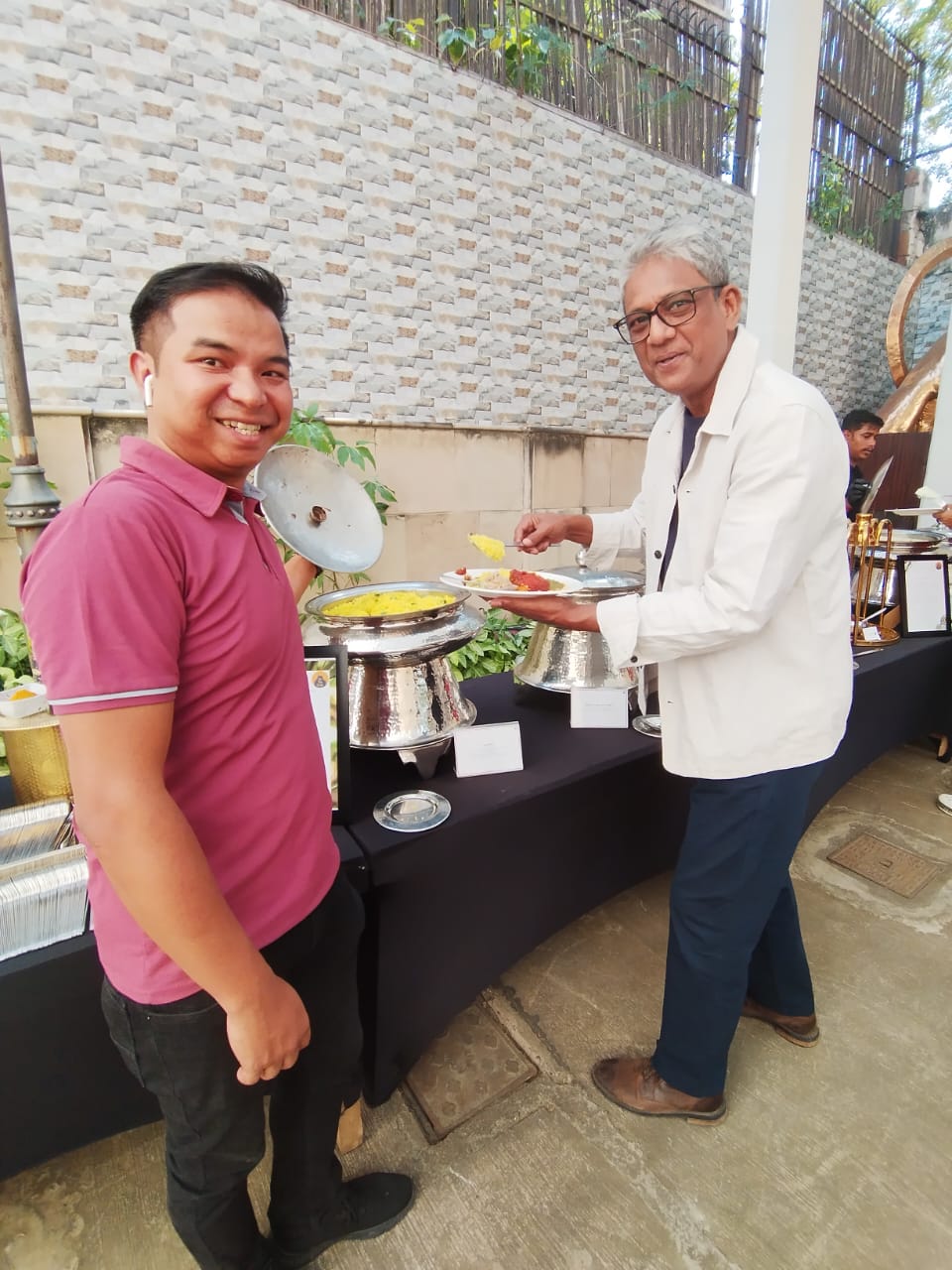
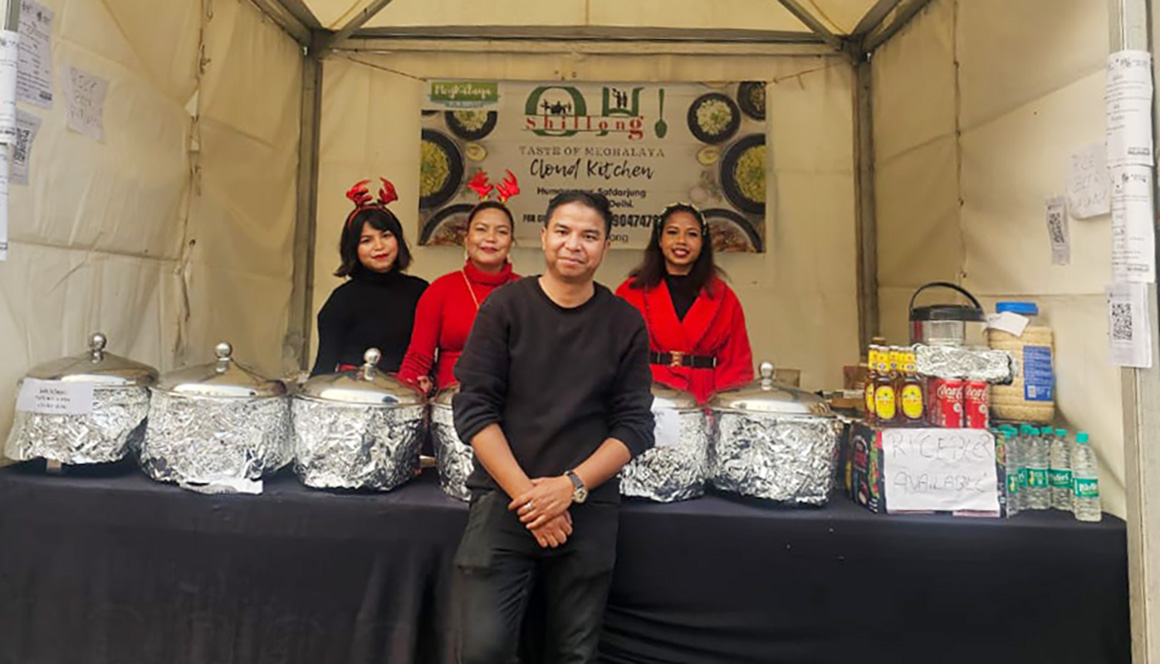
After more than a decade working in medical tourism, Chyrmang found himself returning, again and again, to the memory of his grandmother’s heart. In 2014, with friend Lambok Biondi Hynñiew, he took Khasi cuisine to the Northeast Festival in Delhi with absolutely no plan of taking it further. The response was immediate and emotional with people from all walks of life drawn to the unfamiliar flavours that felt deeply satisfying. As the festival grew into an annual tradition, his stall became a regular fixture, drawing in both loyal patrons and curious newcomers’ year after year.
Later, he teamed up with a few friends to open what was likely the first Meghalayan eatery in South Delhi’s Humayunpur—Meijong. At the time, the idea of serving authentic food from Meghalaya was fresh and exciting, and the place drew in curious diners. That was before the pandemic. When Meijong shut down during the COVID lockdowns, it wasn’t just the end of a business, it felt like a personal loss.
But he didn’t stop there. In 2022, he returned to the Northeast Festival, this time with a deeper sense of purpose. From that experience came Oh! Shillong, a cloud kitchen born not just to serve food, but to carry forward a tradition. The aim was clear: to keep the flavours of Meghalaya alive in a fast-changing food landscape, to preserve the culinary wisdom of the Khasi, Jaintia, and Garo communities, and to give younger generations a way to reconnect with their roots.
“There was no real presence of Meghalayan cuisine here,” he says. “That’s what pushed me to do something about it.”

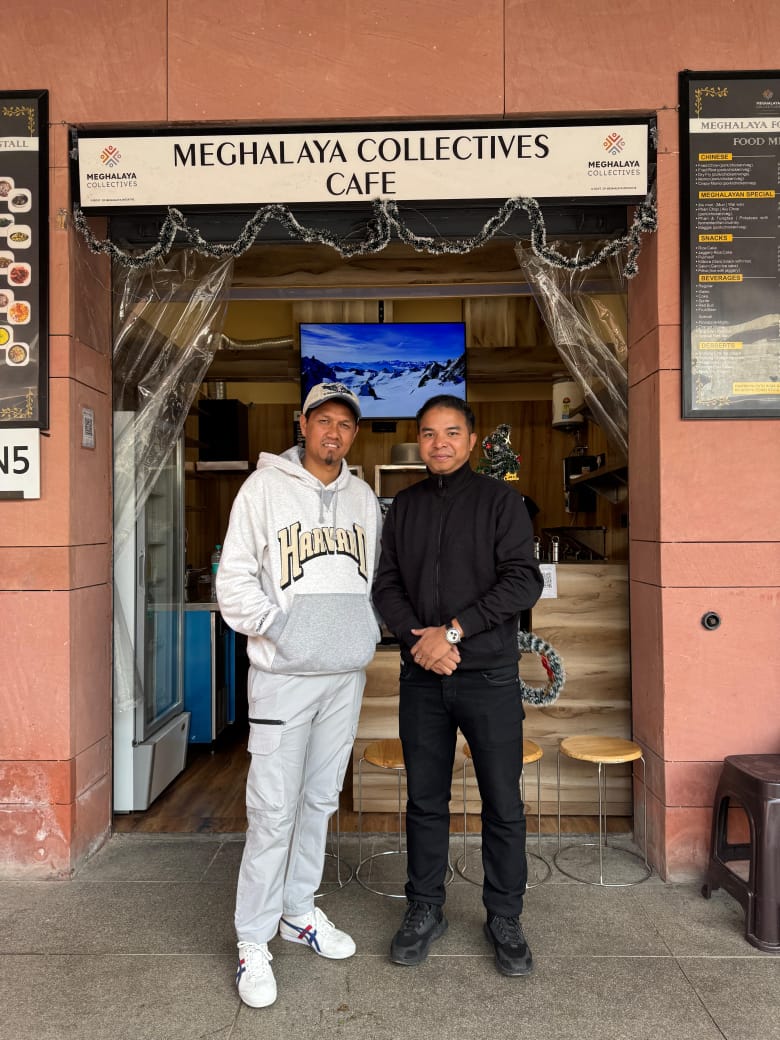
From festival stalls to the newly launched Meghalaya Collectives Café near India Gate, Delhi, the journey has been organic but deliberate. This café is not a trendy pit stop; it's a space where tradition is served without compromise.
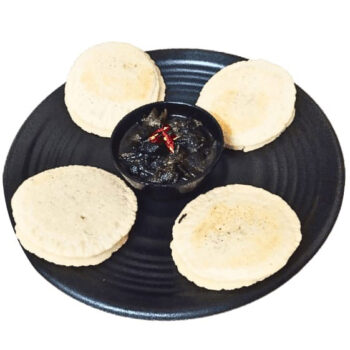
Each dish on the menu is prepared with care: momos filled with seasoned meat and paired with black sesame chutney, alu muri that echoes the street food of Shillong, and hearty servings of jadoh and tungrymbai (fermented soya bean) that taste like home to anyone from the hills. The goal is not just to recreate recipes but to recreate a feeling of eating in your aunt’s kitchen, surrounded by stories and steam.
The café is also a place of dialogue. Diners from across India come in curious and leave with a new respect for a cuisine they perhaps never knew existed. It’s not fusion, not altered beyond recognition; it's respectful, rooted, and responsive. Events like Bharat Parv at Red Fort, The Great Himalayan Exploration by the Royal Enfield Foundation and UNESCO, and the Pineapple Festival at Dilli Haat have only expanded the audience. But the café remains the heart somewhat a home for tradition in the middle of a modern city.
The Meghalaya Collectives Café is a state-run outlet set up near India Gate as part of a Central Government initiative that gives different states a platform to showcase their food and culture. Managed by the Government of Meghalaya, this café is currently run by Chyrmang. Since taking over, he’s turned it into more than just a food stall, it’s become a lively space where visitors can experience the flavours and traditions of Meghalaya firsthand.
Ask him about the bestsellers at the café, and he laughs, “Honestly, almost everything flies off the counter!” Still, some dishes stand out. The top favourites include Jadoh — a hearty rice dish cooked with meat, often pork, and traditionally served at family gatherings and festivals; Dohneiiong — tender pork simmered in rich black sesame seed gravy; and Dohkhleh—a refreshing pork salad made with boiled diced pork, chopped onions, and green chillies. Alongside these, Shillong-style Street food and popular Indo-Chinese options like momos, fried rice, and chowmein are also big hits with the crowd. Chyrmang is mostly there overseeing operations and making sure the café offers a true taste of Meghalaya right in the heart of Delhi.
Among the many dishes that capture the spirit of Khasi cuisine, Dohneiiong stands out. A pork curry simmered with black sesame, it is both robust and restrained, smokey and earthy. More than a dish, it is a memory on a plate.
In his childhood, this dish marked moments of celebration. The sesame had to be roasted until it cracked and released its nutty perfume too little and the flavour fell flat; too much and bitterness would seep in. The elders never measured. They are judged by sound, scent, and intuition. That is how the tradition was kept alive: not through cookbooks, but through hands.
When served outside of Meghalaya especially in Delhi, where many first encounter it, it becomes a bridge between geographies. Each bite carries a whisper of the hills, a trace of ancestral kitchens, and a reminder that some recipes carry more than taste they carry memory. “No, you don’t need an acquired taste for this because the flavour is so good,” he says.
Bringing the taste of Meghalaya to Delhi isn’t simple. Most of the essential ingredients like kalchi, black and white sesame, and lakadong turmeric can’t be sourced from regular markets. They’re flown in directly from the state, often from small farmers and women-led producers. The logistics are complex, but the philosophy is simple: if the ingredients aren’t right, the dish isn’t either.
There are cultural hurdles too. Northeastern cuisine still sits on the fringes of what many consider 'mainstream' Indian food it’s often overlooked, sometimes misunderstood. Changing that isn’t instant; it takes patience, conversation, and showing up with consistency. But things are shifting. As people become more curious and open to diverse flavours, the palate is evolving and so is the place of Northeastern food in the broader culinary story of India.

The future of Oh! Shillong and the Meghalaya Collectives Café lies not in expansion for its own sake, but in depth, education, and cultural continuity. There are plans to open a full-service dine-in experience, to develop spice blends and packaged products, and to create culinary experiences that educate diners about the stories behind the food.
Most importantly, there is a commitment to intergenerational transmission to ensure that the food of the Khasis, Garos, and Jaintias does not skip a generation. In a time when fast food dominates youth culture, there is a quiet revolution happening in kitchens and cafes like this one: a moment to remember.
This isn’t nostalgia. It’s continuity. It’s about honouring elders by cooking their recipes, serving them to strangers, and saying: this is who we are.
“We were fed with love. Now it’s our turn to pass that love on with integrity, with fire, and with the same hands that once learned by watching,” he says.