Did you know that among the Garos, there is a traditional belief and practice of leading the spirit of a married man back to his mother’s house after death? And that being reborn into the same maternal family is regarded as one of the most desirable forms of rebirth? These beliefs offer a glimpse into how deeply motherhood, kinship and ancestry are woven into the Garo understanding of life and death.
So, who are the Garo, or A·chik? They are one of Northeast India’s major indigenous communities, with their traditional homeland in the Garo Hills of Meghalaya and adjoining parts of Assam and Bangladesh. Their society is distinctly matrilineal, with descent and inheritance traditionally traced through the mother. But Garo identity goes beyond lineage. Family, clan and community shape a person’s sense of belonging and place in the world.
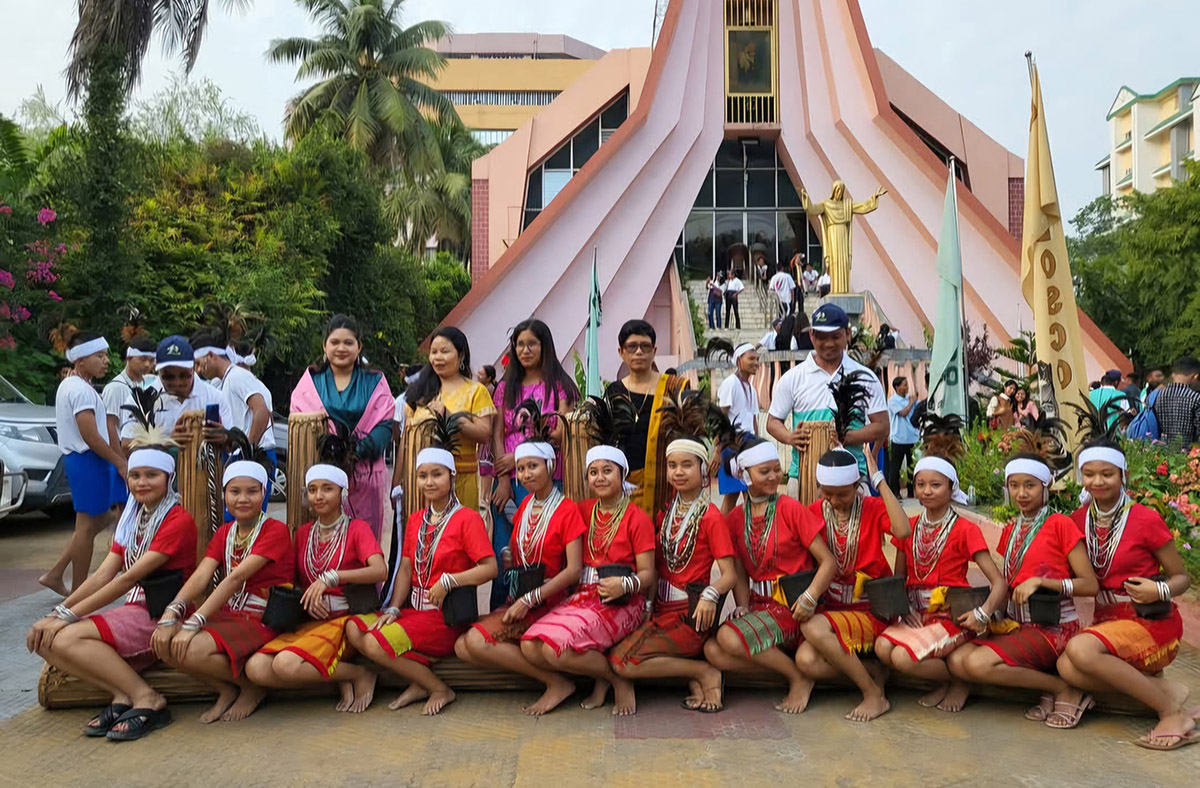
Their relationship with the land is equally profound. Traditional beliefs recognise a supreme deity and spirits associated with the natural world, while Wangala, the harvest festival, brings together music, dance, food, ritual and community. Much of this cultural knowledge has also travelled through oral traditions—stories, songs, proverbs and folklore carried from one generation to the next.
Community, too, is lived rather than simply spoken about. Traditionally, people came together to build homes, support families during illness, mourn their dead and celebrate marriages and festivals. Belonging meant being there for one another.
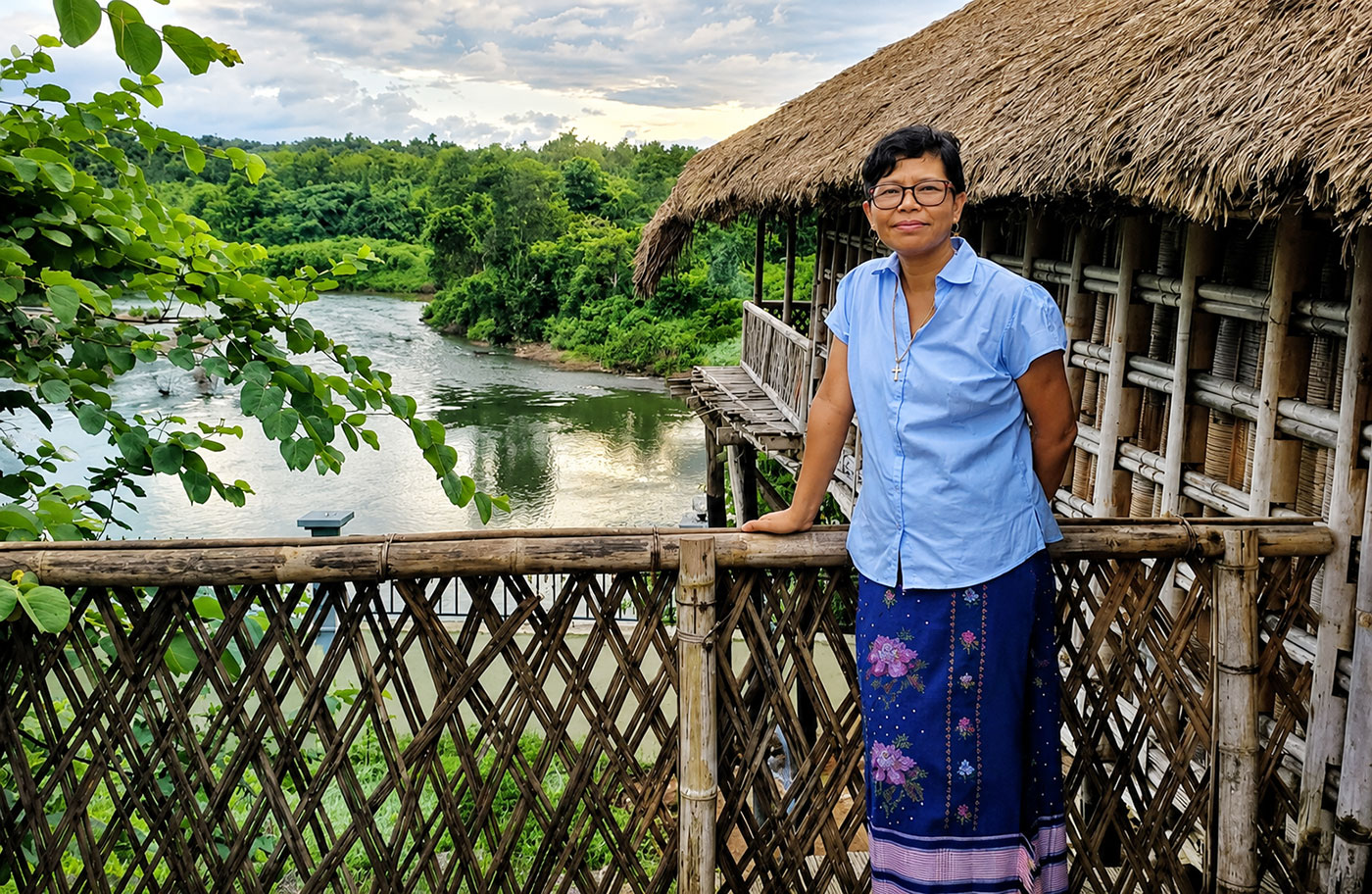
It is this world of language, literature, memory, theatre and cultural practice that Dr. Barbara S. Sangma has spent much of her career exploring and documenting. A scholar, writer, translator and cultural researcher, and Head-in-Charge of the Department of Garo at Captain Williamson Sangma State University, she has written on Garo literature and theatre, including String in a Lute (a poetry book in English) and A·chik (Garo) Theatre: A Case for Indian Folk Theatre. Her work is especially valuable because it brings together scholarship and lived cultural memory. Her understanding of Garo society offers a window into a worldview in which language, community, kinship, nature, spirituality and everyday conduct are closely interconnected. In the traditional Garo understanding, culture was not something separate from life; it provided a framework for understanding how one should live, relate to others, respond to nature, and move through the different stages of existence.
For The Northeast Stories, we sit down with Dr. Barbara S. Sangma to trace the cultural journey of the Garo people from cultural memory and continuity, birth and early childhood, youth, courtship and community life, to marriage, family and inheritance, and finally death, mourning and ancestral memory.
It is a conversation about the rituals that mark a life, the relationships that hold a community together, and the stories that allow a culture to remember who it is. Most importantly, it asks a question that extends far beyond the Garo Hills: when the world around us changes, what do we carry forward—and what must we never forget?
In a traditional Garo society, the journey of life comprised living each moment well, to the best of one’s ability – adhering to the traditional religion and respect for the tribe and the elders. A life well-lived here on earth is believed to ensure the person’s soul to be reborn as a human being.
This philosophy and the world of the Garos was handed down through generations. They believed in the creation of the world, the supreme deity, and the spirits represented in each natural object and accorded reverence accordingly. Traditionally Garos would seek for permission from the guardian spirit of the land before using the land for any purpose.
The larger philosophy that governed the life of the Garos was that of living well. The Garo philosophy is community-centric. One earned a ‘karma’ in accordance to one’s actions within a community. There were strict dos and don’ts and taboos which are to be abided by everyone and any violation would cost life of the violator and might earn demerits to the person concerned in the next life.
The Garo understanding of community, kinship and belonging get reflected very strongly in a number of ways. Sense of community gets reflected in times of housebuilding. Traditionally no house is built by a family alone. The whole village/community get together to build houses for each other. Community feeling also gets articulated at the time of death and funeral. A great sense of fellowship, empathy and camaraderie can be seen in the community where everyone gathers together to mourn the death, to keep watch, to bury and then help the family of the death with cash and kind.
Kinship is one of the strongest ties seen among the Garo tribe. This is expressed in a very poignant way during the time of sickness, death, marriage, in matters of inheritance, etc. Belongingness and family ties are very important traits in Garo tribe. A person’s belongingness is seen in daily behaviour but it comes out strongly during family crisis like sickness, death, loss and also on happy occasions like festivals, marriages, etc.
Traditional Garos believe in rebirth and this is the strongest life-cycle philosophy that they cherish. This belief is disappearing but it is still being talked about and some shred of it survive in some form of practice. The most important among the life-cycle ritual in the ceremony known as ‘me∙mang dila’, literally meaning “leading the spirit/ghost”.
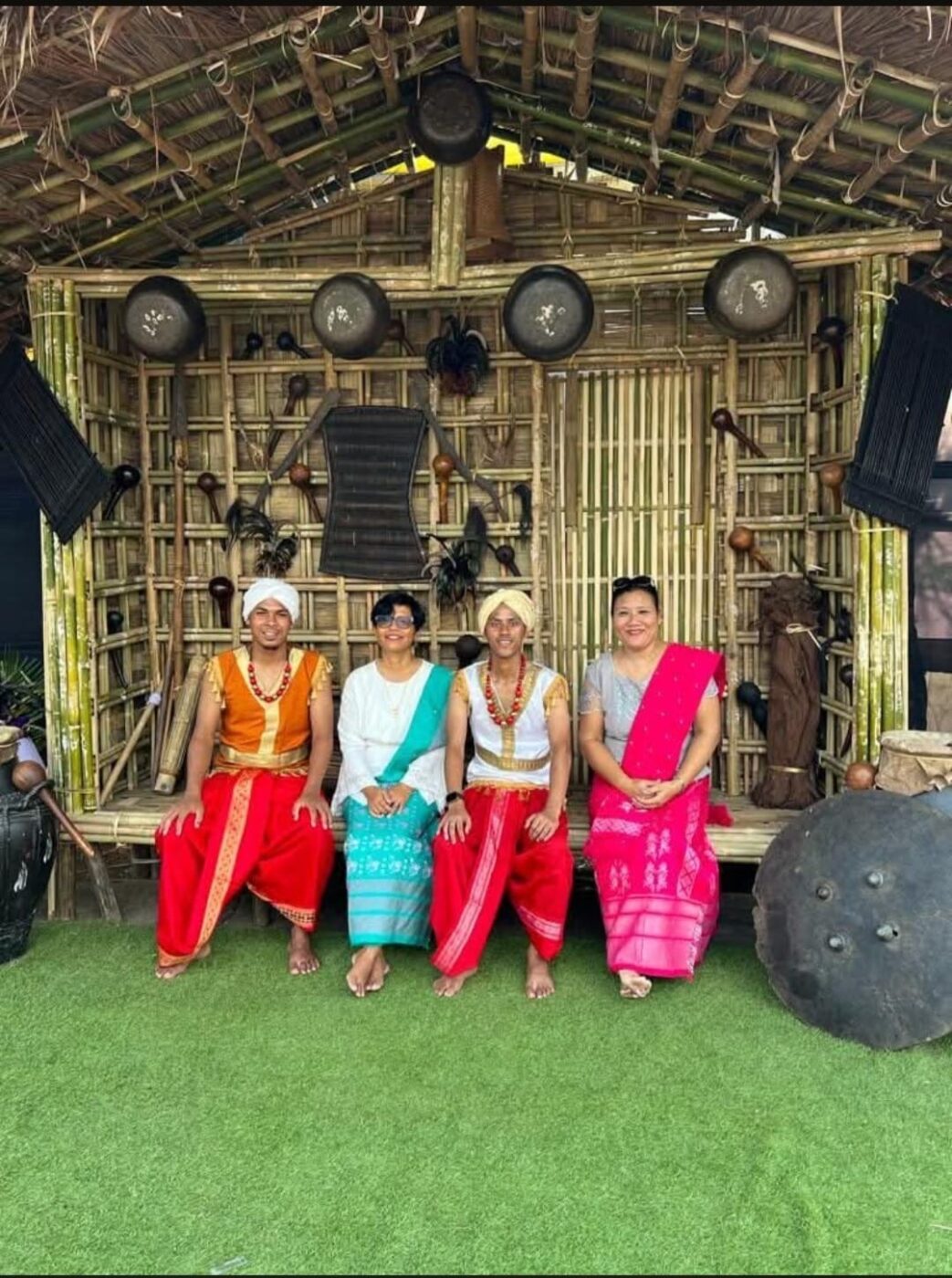
Garos practice matriliny and matrilocality. But what is interesting is that they believe that the highest honour for a man (male/son) is to be reborn in the house of his mother (mother’s lineage). This is why when a man dies, his widow and her relatives lead his spirit back to his mother’s house. This ceremony is known as ‘me∙mang dila’. Even the agricultural cycle of the Garos is based on the cycle of death and resurrection. The traditional Garos believe that the mother goddess of paddy, named Mima Kiri Rokkime, resides in the ocean and she visits the earth in the form of rain during the time of plantation and goes back to the ocean after the harvest. There is a ceremony known as ‘Ahaia’ where paddy, especially grown for Mima Kiri Rokkime is harvested. Harvesting is done by breaking the stalk of the paddy sheaves which symbolizes the ‘beheading’ (killing/death) of the Minima or rice-mother. She dies and goes back to the ocean and she come back or resurrects as rain at the start of agricultural season.
Birth of a child in the Garo community is associated with a belief connected with death. So, in a way, birth implies death. A very profound philosophical concept that ‘Man is mortal’ is implied here. There is the Garo traditional belief about how one’s manner of death is decided at the time of one’s birth. When a child is about to be born all the ‘agents’ of death place their ‘amra re∙su’ (plantain leaves or anything that serves as receptacle) right below the raised flooring of the house. When the child finally leaves the womb, the ‘maternal droppings’ in the form of blood seeps into the bamboo-matted floor and trickles down below and falls into the ‘amra re∙su’ of one of the ‘agents’. The newborn is then believed to be marked out to belong to that agent, who will be responsible for its death. The agents can be anything, such as weapons, sickness, animals, trees, water, electric eel, water-dragon, snakes, venomous insects, anything that has the ability to bring about a person’s death. If a child lands in the ‘amra-re∙su’ of a tiger, it implies that the child shall die at the hands of the tiger…and the like.
This belief is connected with the naming of the child. As soon as the baby is born, the midwife who is called ‘kamal’ gives a name to the newborn. This first name that is given by the ‘kamal’ is heard by all the ‘agents’ who were present at the time of the child’s birth and the ‘agent’ in whose hands the child is supposed to die learns the name by-heart and then the ‘agents’ disperse. It is believed that later on it may come searching for the person by using that name.
In order to ward off death by an ‘agent’, the baby is given a new name later. This naming ceremony takes place when the baby is a month old.
Then a ritual is performed where a whole egg is pierced into an upright stick and left in the place where the ritual is performed. A new name is given to the baby during this ceremony. The priest shaves off the hair of the baby known as ‘kni minsu gala’ (‘kni’-hair, ‘minsu’-pus, ‘gala’-get rid of”). This is symbolic of cleansing of all the uncleanliness (blood and pus) associated with birth and the baby is given a new name by the parents. Thenceforth the baby shall be known by a new name and not by the name which the agent of death had committed to memory. The purpose of renaming is to escape the agent/cause of one’s death. However, folktales bear witness to the belief that a person cannot run away from one’s destined agent/cause of death.
The proverb “It takes a village to raise a child.” – is true of Garo community too. All elders in the society instinctively helped in raising children in the Garo traditional society. There existed an over-all sense of respect towards elders and any person could correct and remind any child in the village in matters that are relevant.
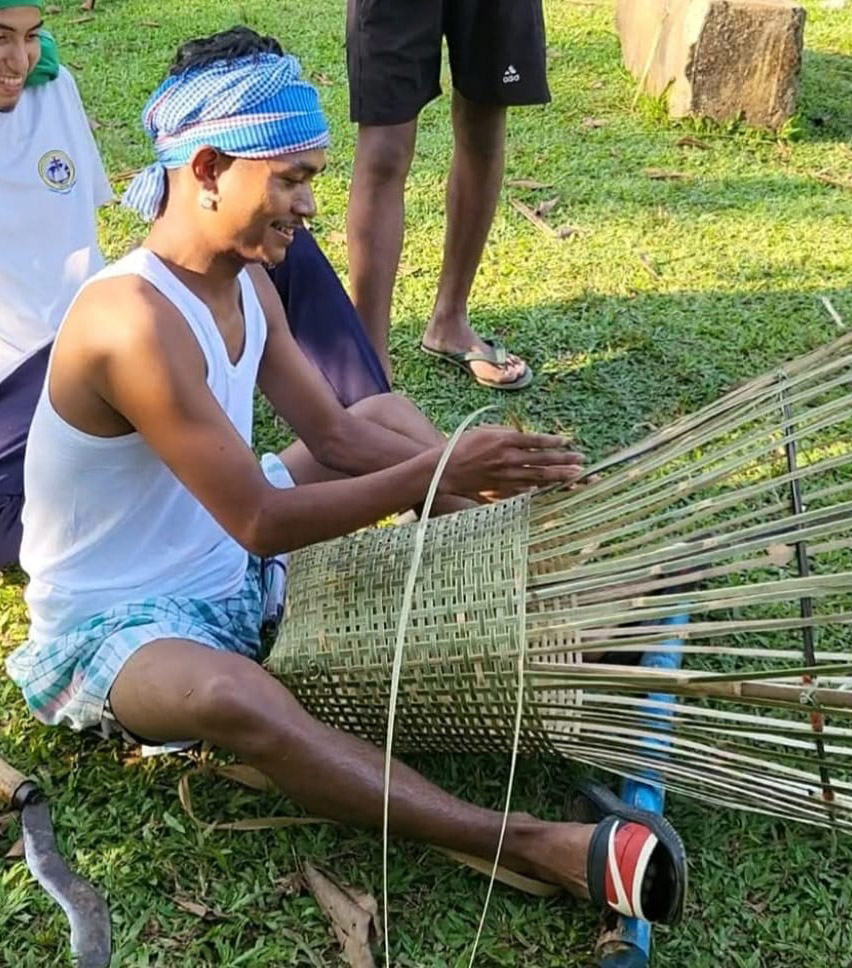
Boys were made to stay in the ‘Nokpante’ or bachelors’ dormitory from young age and they were taught cleanliness, discipline, work ethics, responsibility, village defence, art and craft, music, dancing, philosophy and religion, ethics and morality, social responsibility, community living, farming, oral tradition, etc. ‘Nokpante’ could be the reason why Garo men were more vocal in the society. They were trained to express themselves in the course of their stay in the ‘Nokpante’ They also learned from experience, whereas girls were deprived of this kind of systematic learning.
The elders in the family all had a role in raising children. However, the maternal uncles wielded the greatest power when it comes to disciplining, reprimanding and correcting children. Grandparents and other old people in the society acted as adult supervisors, teachers and advisors.
Oral traditions were important part of shaping child’s cultural identity. Perhaps the first words that a Garo baby heard from her mother was the song of ‘mumua’ or lullaby. There were also songs of ‘dingdinga’ or dandling, where the children were dandled with songs, where the parents, especially the mother expressed her best wishes for the child. Stories formed part of education of children. Some of the stories were narrated for the purpose of restraining or preventing children doing bad deeds or being naughty, lest they be carried away by the so-called monster/wild animal. (‘hau hau’).
Children grew up listening to proverbs and idioms that are part of everyday speech and are pregnant with meaning. There does not appear to be specific discourses on religion, God, morality; but all these were imbued in every Garo through lived-in experiences. Taboos too play an important role in keeping the people on the right track.
Games, both physical and question-answer type of sing-song games also helped in raising the children, teaching them about coming together, friendship, teamwork, listening, interaction, etc.
In a traditional Garo society, only the young girls live with their parents in their parental homes and learn directly from their parents about responsibility, relationships, and community values. Much of these are learned from observation and experience; though they are also given instructions and admonitions directly by parents and elders according to need. However, in my view learning was mostly from observation and experience but in case of commission of grave mistakes or serious omissions, chastisement was quite heavy. Unlike the young girls, the young boys lived in a Nokpante, or bachelors’ dormitory where the elders gave them both verbal and practical lessons on cleanliness, agriculture, art and craft, community values, morality, religion and spirituality, music, dance, defence and warfare, etc. The young boys were allowed to maintain ‘a∙tot’, a piece of land cultivated individually by them, the proceeds of which went to their personal pockets.
There was not much room for courtship within a traditional Garo matrilineal society. Marriages and life-partners were determined by family relations. A Garo woman, especially the ‘nokna’ (heiress) was expected to marry the nephew of her father. A Garo man generally looked to one of his nephews (son of his sister) to marry his daughter, the ‘nokna’, the one chosen to be the heiress and look after the parents and the family. In this way ‘a∙kim’ or the marriage bond got perpetuated.
However, not everyone becomes an heiress and not every young man gets to marry an heiress. Then, what is their mode of courtship? Romance finds its way, I think, and it was expressed subtly in brief encounters and family meetings and largely through teasing by relatives and friends. And within the expected laws of the society and clan, there were occasions for brief romantic encounters and even courtship, especially during the Wangala festival. During this time young boys and girls were wont to spend the night singing folk songs, teasing each other and finding compatible dance partners. It was said that many a Garo boy and girl find their life-partners during the course of Wangala dance.
Music, dance, festivals, and communal gatherings form important parts of Garo life and the young people especially, looked forward to festivals. The greatest festival of the Garos, Wangala, offered the greatest platform or context for music, dance, entertainment and gatherings of young people. Wangala festival is commonly understood as post-harvest festival, although it might imply inherent deeper significance. This festival provided the greatest platform for music, dance and singing along with several oral and physical competitions. It was an apt occasion for those skilled in playing flutes, drums, trumpets, and those with talents for singing, chanting, riddling, poetry, story-telling, dancing, wrestling, etc to show off their skills and attract the persons of their choices. Wangala festival lasted for over a week and people from nearby villages were invited and accorded befitting hospitality. Young people took the centre-stage every night, getting to know each other as they manoeuvre their way about looking for compatible dance partners and possible life-parters.
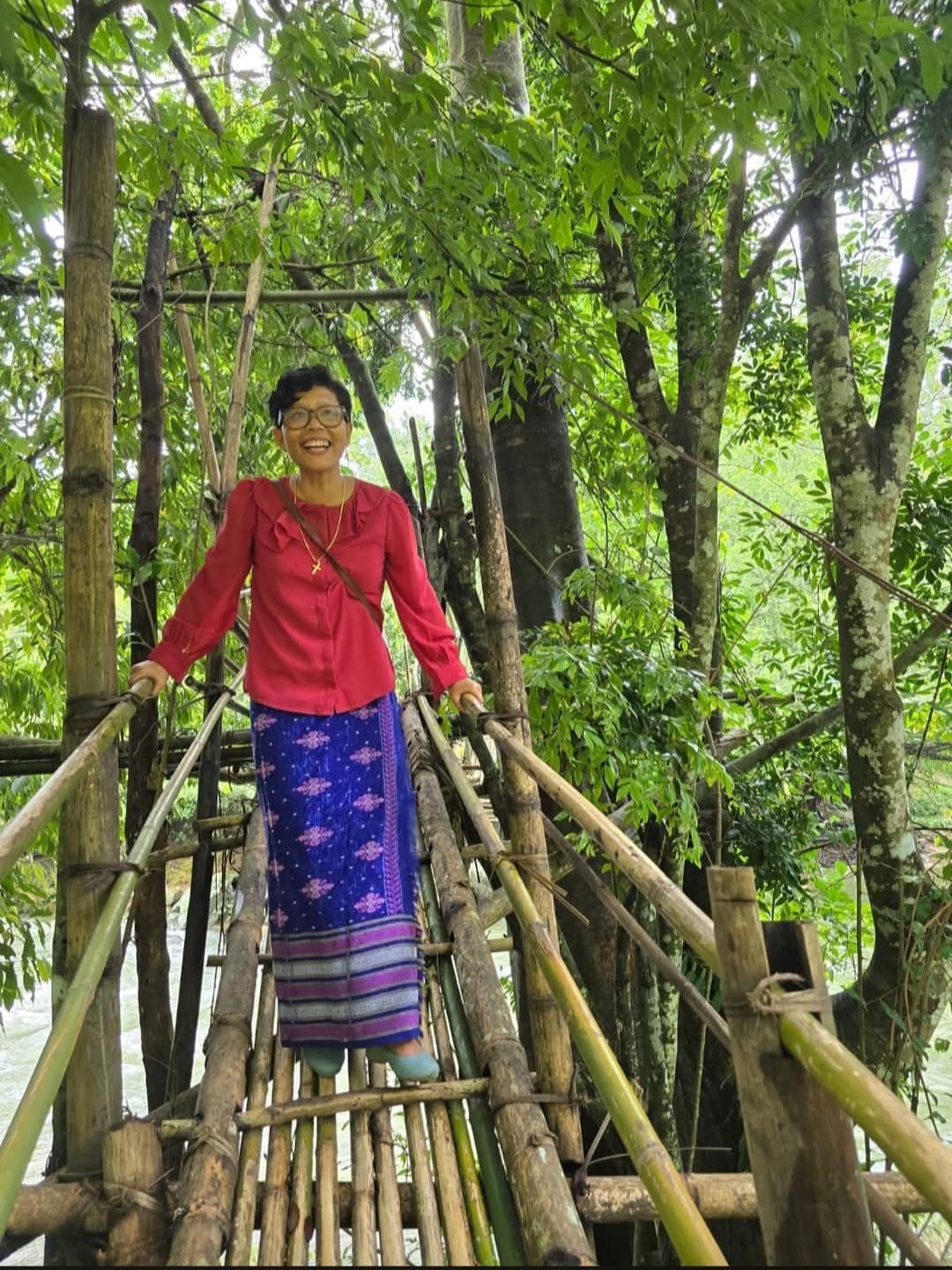
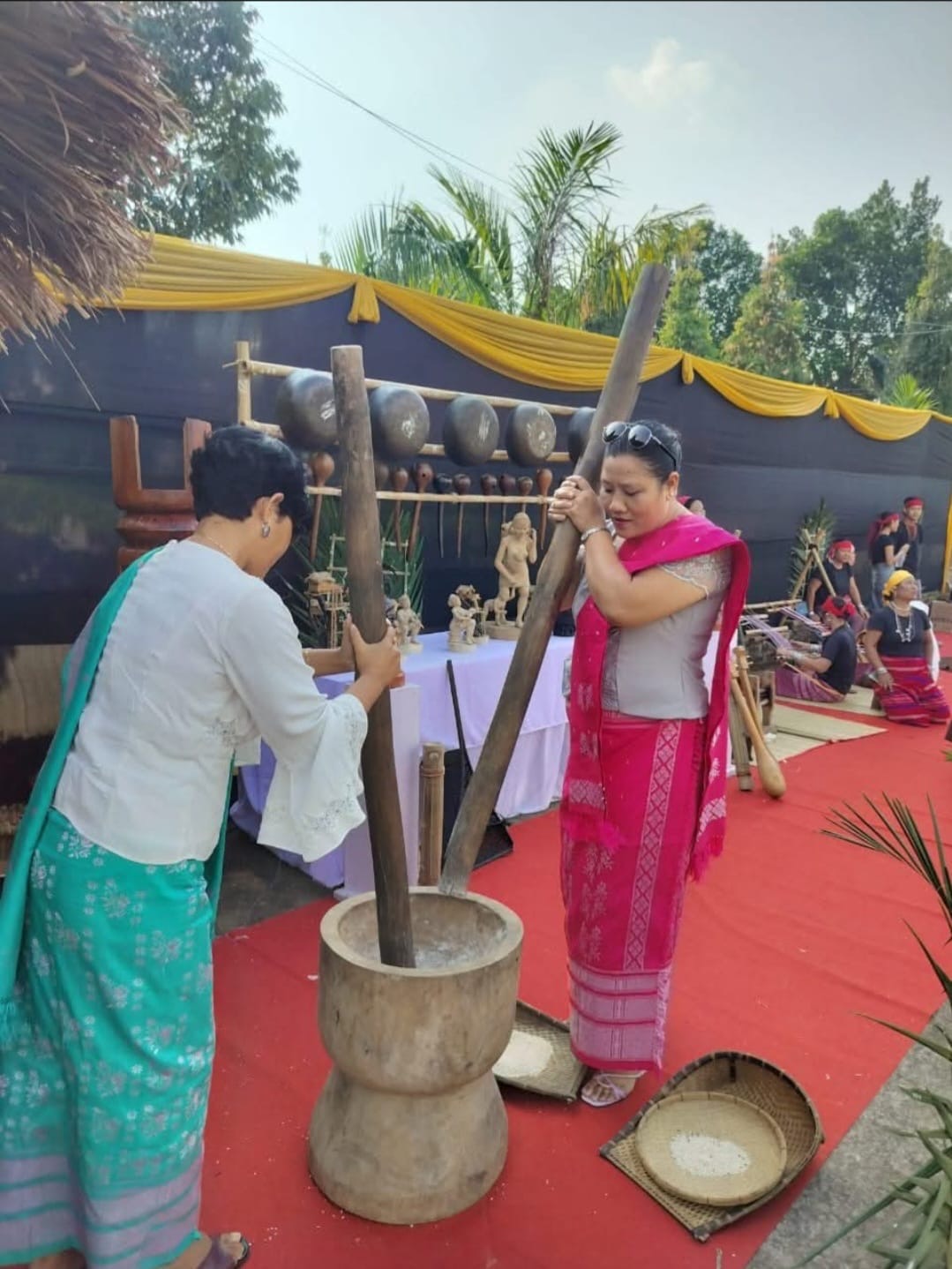
In a matrilineal Garo society, marriage, especially of the ‘nokna’ (heiress) was determined on the basis of her being the heiress. The ‘nokna’ inherited the lion’s share of the family property and she perpetuated the family lineage and bond with the female relatives of her father by marrying her father’s nephew. This marriage bond known as ‘a∙kim’ was perpetuated generation after generation – for the ‘nokna’ would always be married to the nephew of her father.
How were disputes, separations, or family conflicts traditionally resolved within the community?
In the traditional Garo society family disputes, separations, or family conflicts were resolved by the ‘Chra’ or the male relatives consisting of the uncles and brothers of that particular family. The guilty party is generally made to pay a fine and reconciliation is brought about. Separation of couples were not uncommon and was resorted to only if reconciliation is impossible or futile.
A Garo is said to marry not only the spouse but the whole clan of the spouse. It thus follows that even disputes, conflicts between the spouses become the affair of the whole clan. The ‘chra’ examine the dispute and pronounce judgment which the couple is bound to abide by.
In a traditional matrilineal Garo family, the inheritance is passed on through the lineage of the mother. Thus, property of the family is passed on from the mother to the daughter. However, the ‘nokna’ or the heiress receives the greatest chunk of the property. Sons, generally do not inherit anything from the parents’ house. A Garo couple without a daughter is duty-bound to adopt a daughter from the nearest kin and pass on the ancestral property through the female line.
Death, Mourning & Ancestors
Traditional Garo society believe in after-life. Hence death is seen not as an end. However, Garos believe that the conduct of the person in the present life determines the quality of his or her rebirth. A person may be reborn in the form of animals or plants, other than as human beings, depending on his conduct in the present life.
What were some important mourning rituals or funeral practices traditionally observed by the Garos?
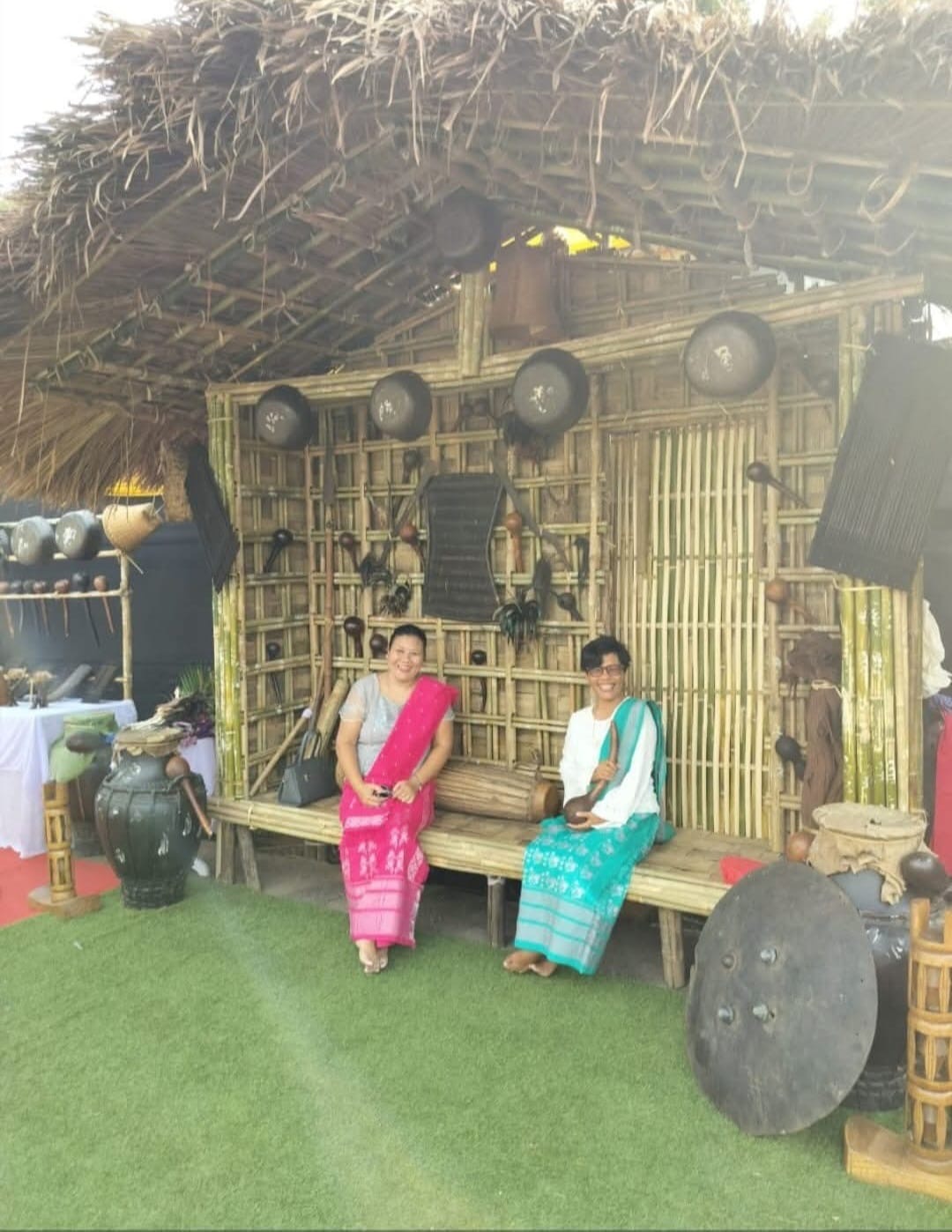
There are a number of mourning rituals or funeral practices that are traditionally observed by the Garos. The first one is that if the dead one was a rich person, he or she was laid atop precious gongs and given a bath with traditional rice-brew. Dirges were generally chanted for the dead and it is believed that proper rendition of dirges and fulfilment of ceremonial observations earned the dead a good and fitting place in the after-life.
If the deceased was an elder, such as the mother of the family, several things connected with her daily activities while she was alive are broken and done away with. For a start, the ‘rongdik’ (rice jar) is shattered with a blow, symbolising that the one who used to cook from out of that particular ‘rongdik’ will no longer scoop out portions of rice to cook for the family. In a similar way, the line where she used to hang her clothes is severed, the gourd from where she was wont to drink was smashed and broken, the ‘tokkari’ (a bamboo receptacle for spoons) was split – all indicating that the things that are associated with the daily activities of the departed one would no longer be there. And almost every one of these symbolic activities was accompanied by a dirge.
Traditionally Garos believe that a person’s spirit or soul remains alive even when the body was cremated or buried after death. The spirit remains on with family and relatives until he or she was given farewell and sent off to the land of the spirits. Therefore, the Garos organise farewell or special send-off ceremonies to the spirit of the dead. This farewell ceremony consists of rituals, including slaughter of oxen and community feasting.
The grandest form of send-off accorded to the dead by the Garos is known as ‘Mangona’. Traditionally Garos cremate the dead, but the bones that resist the cremation are collected, placed in an urn and buried. This ceremony is known as ‘Mangona’ and it culminates with the erection of ‘Kima’ or the memorial post. This ceremony entails elaborate rituals, consumption of large quantities of rice, live-stock, rice-brew and is attended by big crowd consisting of family members, neighbours, relatives far and near.
Those who are economically constrained to celebrate ‘Mangona’, perform the ‘Midong Kaa’ ceremony instead. The Garos are known to devote time and energy to maintain a strong bond of relationships with their relatives and neighbours. This relationship evokes in them a special concern for each other in their life on earth; and this bond of relationship extends beyond life. They believe that the souls go and dwell in the land of the spirits for some time until they are reborn in the form of human beings, animals, insects, etc. The relationship that is forged while on earth and the care and concern inculcated then, makes the Garos try to ensure that the departed are happy in the land of the spirits. They believe that the performance of specific ceremonies in the name of the departed ensures that he or she secures a good place and has a comfortable stay in the land of the spirits. They send off the dead with the things they consider most necessary for the stay of the dead one in the land of the spirits, such as coins, which are believed to distract the evil spirit, ‘Nawang’ who tries to entrap the souls on their way to the land of the spirits. The dead are also sent off with sheaves of paddy, as it is believed that the deceased would need the paddy seeds to start a new cultivation. The sheaves of paddy tied in the name of the dead is known as ‘Midong Kaa’ ceremony. (‘Midong’ means sheaves of paddy and ‘kaa’ means to tie).
Garos consider it the greatest form of rebirth if one is to be reborn in the same maternal family. If no ceremony is performed for the dead, he or she may not take birth again in the same family, clan or even among human being, but may be born again in the form of trees, bamboos, animals, insects, etc. that is why, when a married man dies, the wife and her relatives lead back the spirit of the dead husband to the house of his mother. This ceremony is known as ‘Me∙mang Dila’ (‘me∙mang means ghost or spirit, and ‘dila’ means to lead/lead).
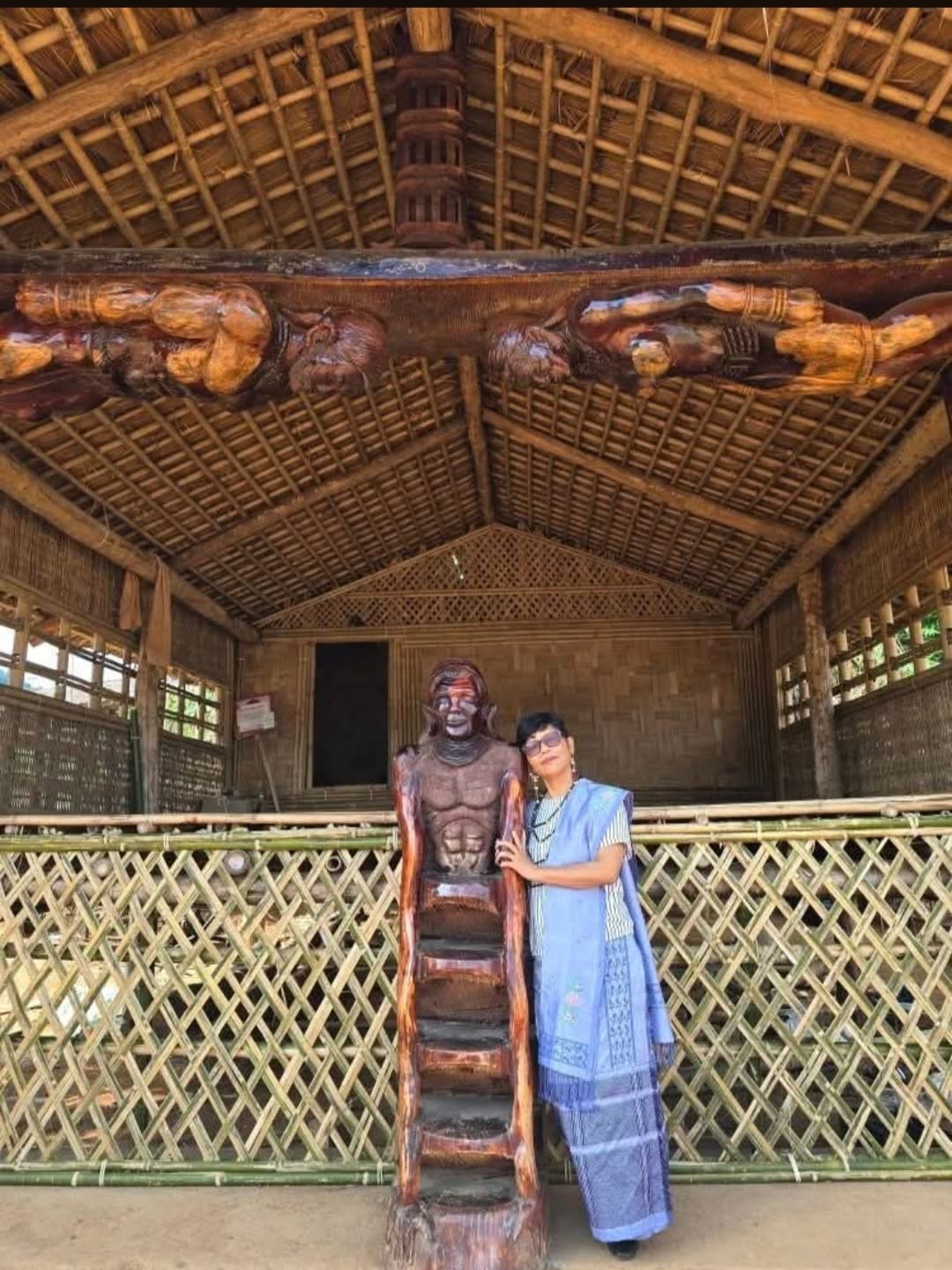
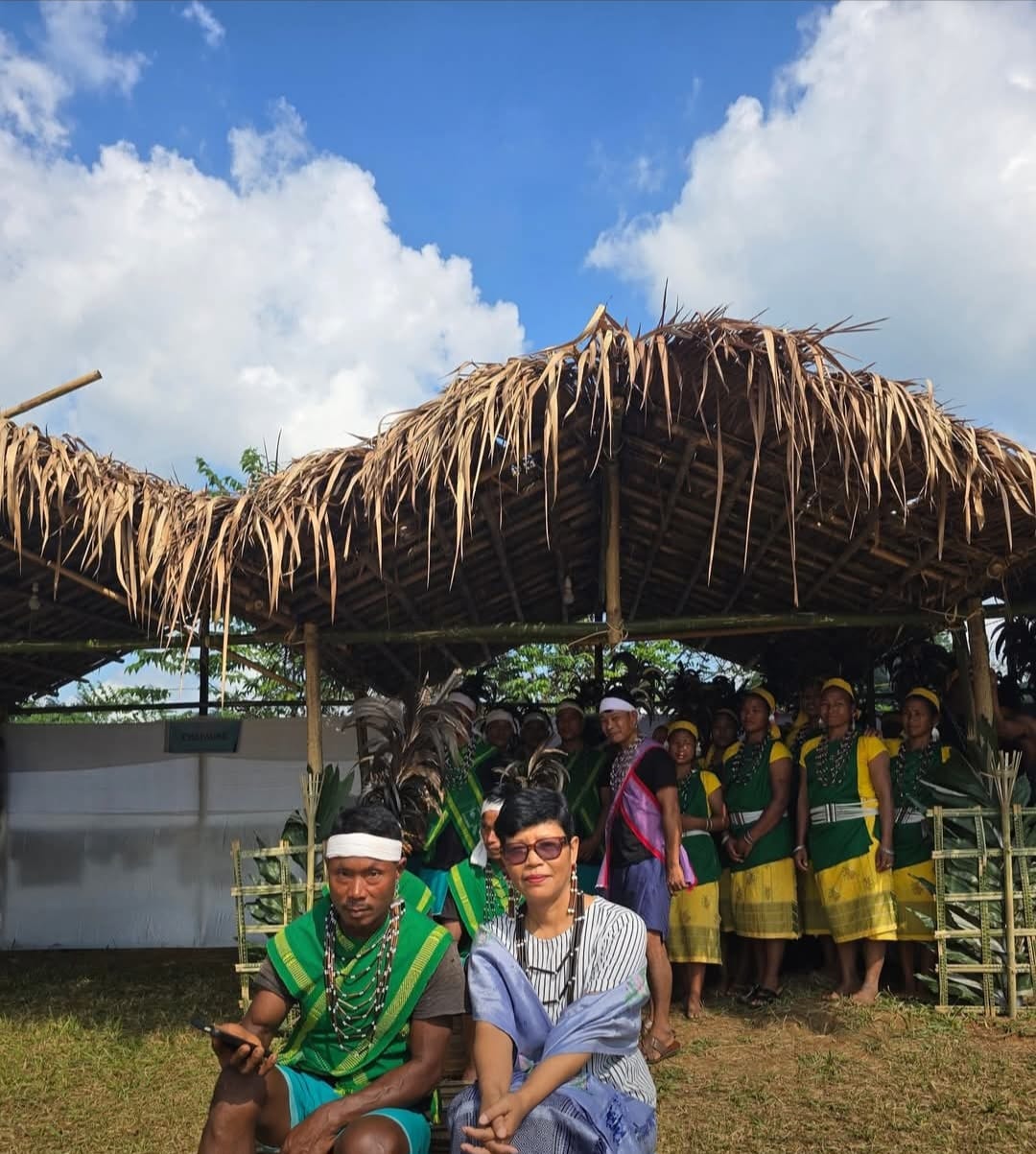
Remembrance of ancestors to some extent is woven into everyday life, as a memorial post is erected for the dead, which reminds the living of the deceased every day. There is also the practice of offering food and drink to the memorial post for some days after the cremation or burial. The deceased (married) man is remembered in a special way on the day that his spirit is led back to his mother’s house as mentioned earlier.
To a certain extent, yes. For now, the Garo Christians believe in resurrection and not on rebirth. However, some aspects of the funeral are still being practiced. Mourning and singing of dirges is still in practice, albeit at a much lower frequency. They also still practice leading the spirit of the married man back to the mother’s house. A specific post-funeral ceremony is also observed known as ‘me∙mang kam’ especially if the deceased is an elder or a prominent person in the clan and/or village.
Language can be said the most important element in preserving rituals and cultural memory among the Garos. This is so, because the Garos are oral people, and they rely mostly on oral tradition for their history, perpetuation of culture, tradition, religion, rituals, to name a few. All traditional knowledge is passed down through the word of mouth. Therefore, language is of paramount importance. What is encouraging today is the renewed interest among young Garos in documenting and reclaiming their cultural heritage. Many are turning to music and songwriting as a way of bringing older cultural vocabulary back into everyday use. Traditional words and expressions that were once part of ordinary speech, but had gradually fallen out of use, are finding their way into contemporary lyrics. In that sense, young musicians are doing more than creating songs—they are reconnecting language with folklore, mythology, history and cultural memory, and making older forms of expression relevant to a new generation.
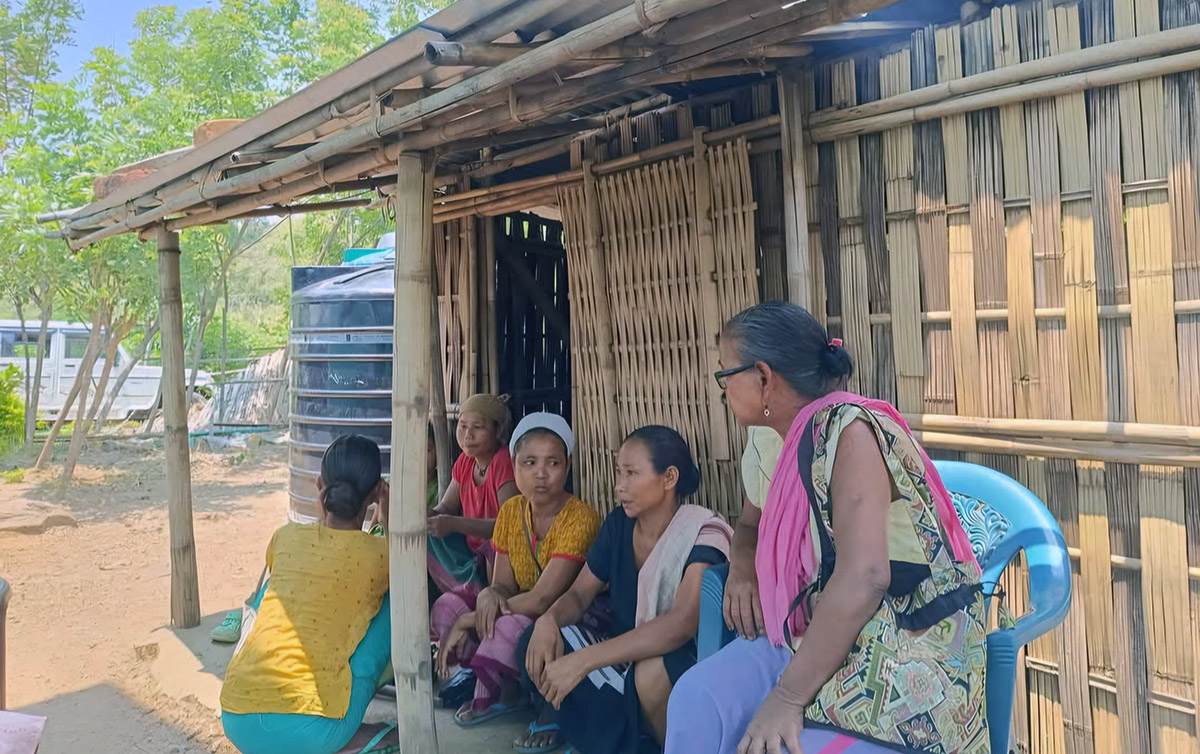
There has also been a significant shift in the academic study and documentation of Garo language and oral traditions. The establishment of the Department of Garo at the NEHU Tura Campus in 1996 was an important milestone. It created a formal space for the study of the language and opened up new ways of looking at Garo literature, folklore and orality. Fieldwork became an increasingly important part of this process, with researchers going into communities to document oral narratives, songs, traditions and linguistic practices. Over the years, a growing number of scholars and PhD researchers have worked on different aspects of Garo language and culture. What is particularly encouraging now is that younger Garo researchers are themselves undertaking more systematic and structured field research, returning to their communities to document knowledge that might otherwise remain undocumented or be lost.
This has contributed to a renewed interest in Garo culture from within the community itself. Cultural knowledge is no longer being seen only as something belonging to the older generation or to academic researchers; young people are beginning to recognise it as something that they can actively explore, reinterpret and carry forward.
I have also been involved in efforts to connect cultural learning with education. At Don Bosco College in Tura, where I taught, we started a certificate course in Garo folk art, creating an opportunity for students to engage directly with traditional forms and practices. That initiative subsequently opened the way for an international collaboration with Caritas Bangladesh, a global development organisation with a strong presence in Bangladesh. An MoU was signed in 2024, and the exchange began with young people from Bangladesh visiting Tura. In 2025, students from Don Bosco College in Tura travelled to Bangladesh as part of the reciprocal exchange.
The programme had to be put on hold because of circumstances that made it difficult to continue, but the MoU is now due for renewal. I hope that the collaboration can resume because these kinds of exchanges are valuable in helping young people understand that cultural heritage does not exist in isolation. It travels across borders, connects communities and creates opportunities for young people to learn from one another.
What gives me hope is that we are seeing culture being reclaimed from several directions at once, through music and contemporary songwriting, through academic research and fieldwork, through teaching and certificate programmes, and through exchanges between young people. That is perhaps the most sustainable form of cultural preservation: not simply recording the past, but giving young people the opportunity to discover it, question it and make it their own.