There’s an old photo of her small, focused, and standing on a kitchen stool, grating cheese beside a steaming pot. She was barely tall enough to reach the counter, but she belonged there. “She inherited a cupboard full of my cookbooks,” recalls her mother, Dorothy Phanbuh, with an obvious pride. “When I was baking Christmas cakes or making wine, she would be right up on the counter, watching, helping— and later, doing it herself.”
Raised in Shillong, Tanisha’s culinary curiosity was shaped by instinct and observation. “She was always watching,” Dorothy says. “Whether it was MasterChef Australia or my father saving a burning pot, she absorbed everything.” From cleaning fish as a child to experimenting with fermentation, her kitchen became both lab and language.
In 2015, Tanisha moved to Delhi and entered the F&B industry. Two years later, she appeared on Femme Foodies, her first of three television shows. That visibility gave her something unexpected: a chance to speak for a region too often erased from India’s food narrative.
“I realised just how little people knew about the Northeast. They barely knew where it was on the map — let alone what we ate,” she says. “But the camera gave me a platform. I thought, maybe I can represent my people in a space where we’ve never really been seen.”
That became the seed for Tribal Gourmet, a culinary venture rooted in identity, history, and community. “It felt like my calling,” she says. “I still feel like I’ve only hit a few mini milestones—there’s a long way to go. But I take comfort in knowing I was one of the early ones, one of the OGs, helping shine a light on the treasures of our communities.”
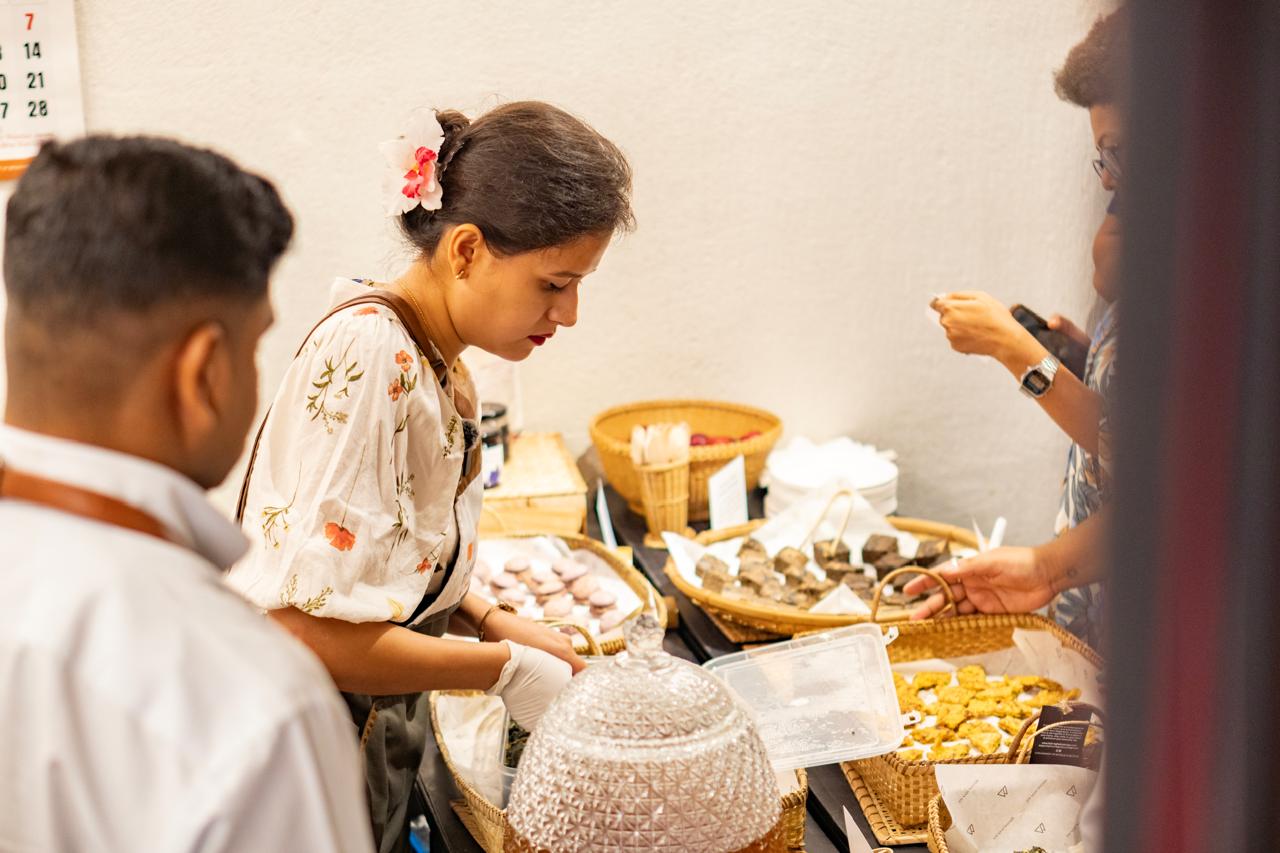
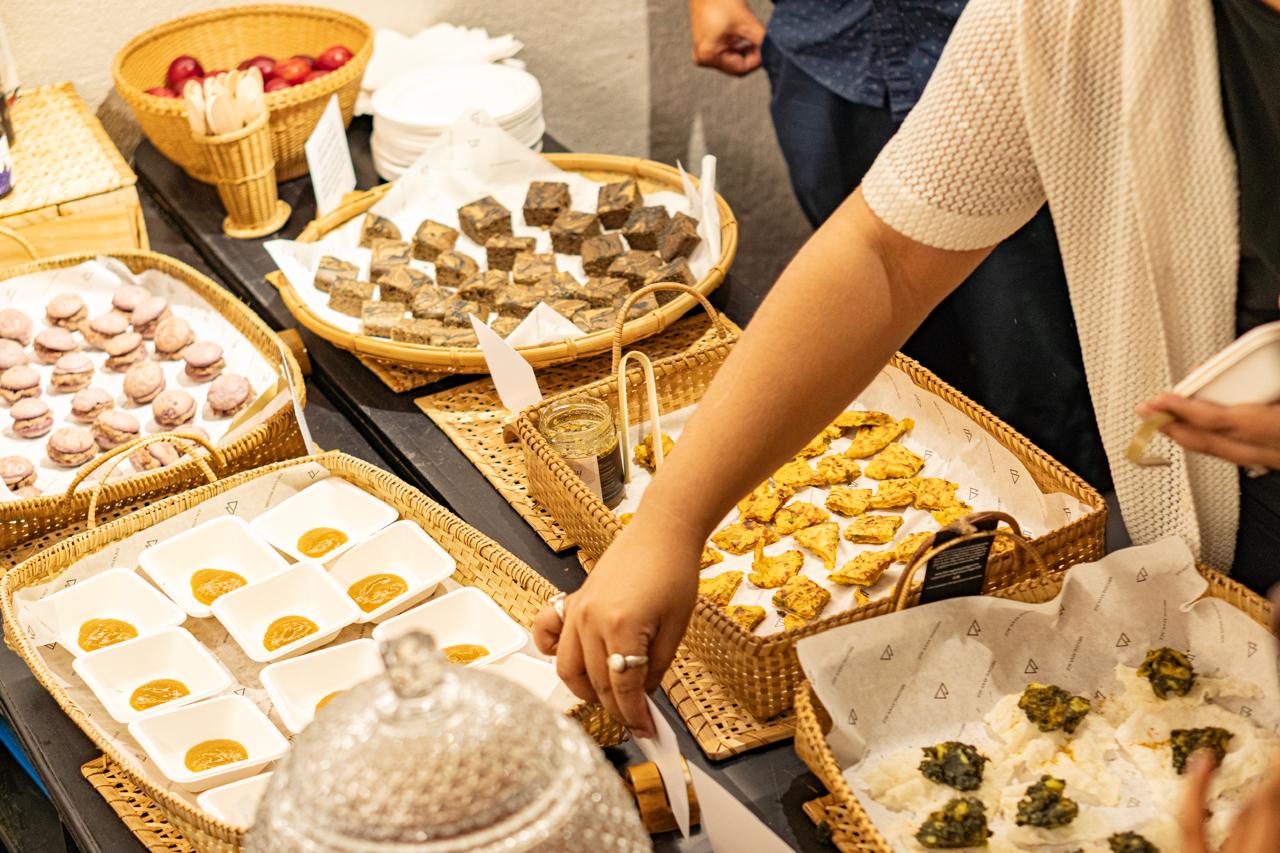
Through Tribal Gourmet, Tanisha creates pop-up dining experiences across cities, introducing new audiences to the dishes of her homeland. But this isn’t fusion for the sake of novelty.
“My goal from day one has been to promote each of the Northeast’s states—our food, culture, and traditions. So while I love being creative, I’m very careful not to stray too far into the abstract,” she explains. “I prefer to play with the form, not the soul.”
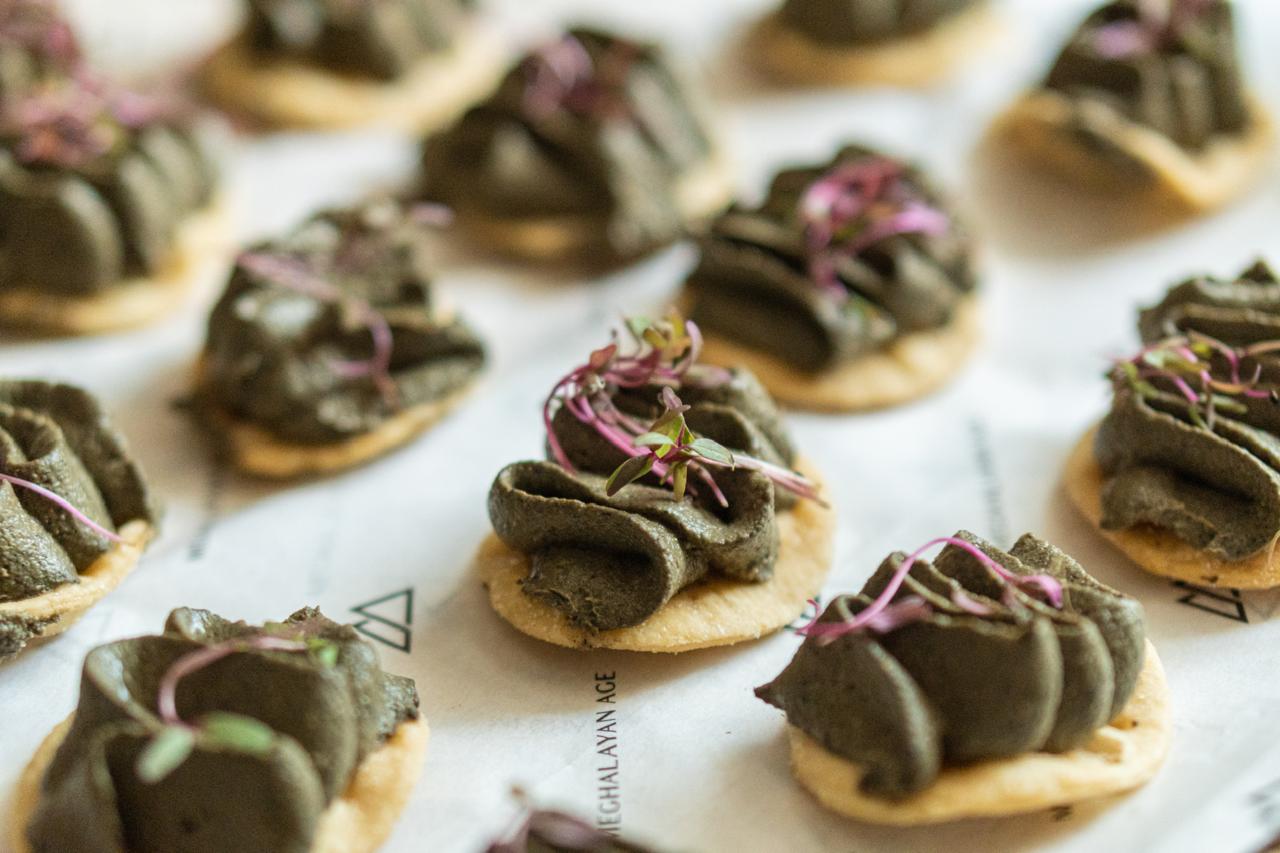
Her signature style, which she calls Modern Meghalayan, keeps flavour profiles faithful to their origin. A single dish might be built on two traditional recipes, thoughtfully combined but never deconstructed beyond recognition. “Since our cuisine is still new to many people, I think now is the time to stay true to traditional flavours—rather than treat ingredients like interchangeable elements.”
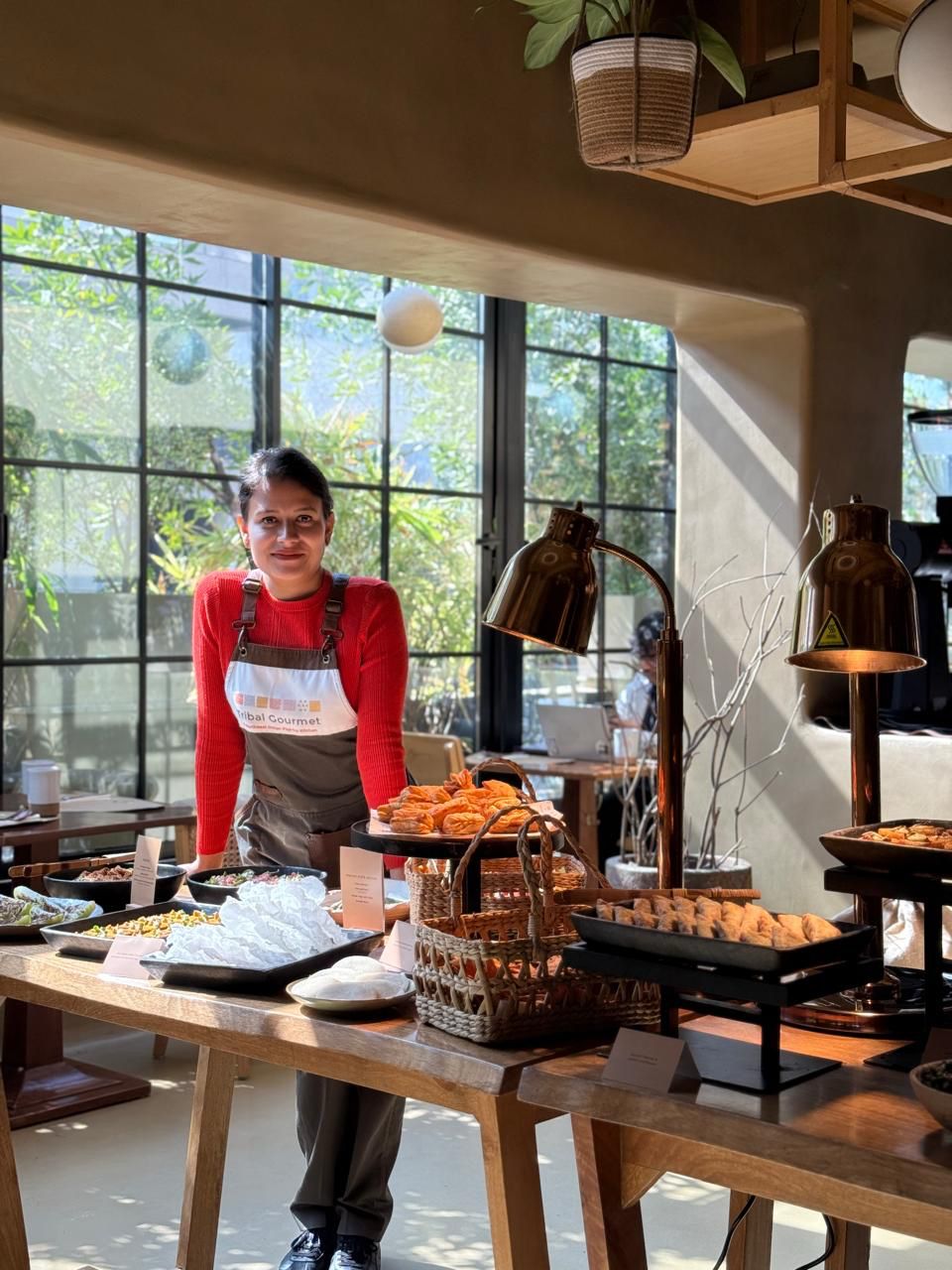
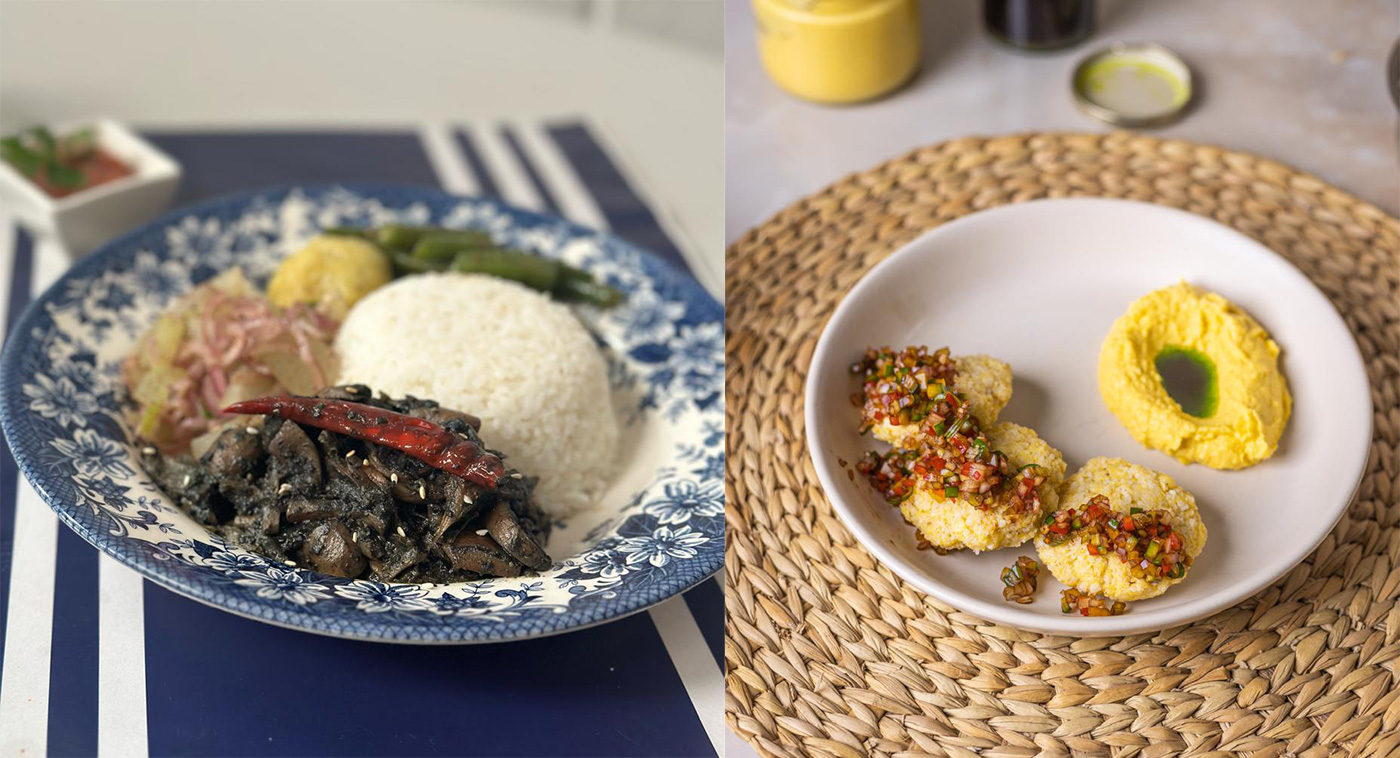
Asked to name one dish that bridges the gap between the unfamiliar and the inviting, Tanisha answers without pause: black sesame pork. “It’s the perfect introduction. People know sesame, but outside the Northeast, no one uses it as a gravy base. It’s familiar and yet completely new.”
Fermented fish, bamboo shoot, and wild herbs also feature prominently in her menus — central ingredients in Northeast kitchens that the outside world is only beginning to discover. “These aren’t exotic add-ons,” she says. “They’re the foundation of how we cook and eat.”
Black sesame is used in a way that surprises people. Outside of the Northeast, sesame is rarely used as a main gravy base, so it lands as both comforting and intriguing especially for someone tasting our food for the first time. That mix of recognition and discovery makes it an ideal introduction. But more importantly, it opens the door to the deeper story: that in our corner of the world, we’ve been mastering techniques like fermentation and preservation for centuries. Ingredients like fermented beans, fish, bamboo shoot, wild greens, and native herbs are not just accents they are the backbone of how we cook and eat. Through my pop-up model, I want to keep sharing these rooted, regional traditions in ways that are accessible but still honest.
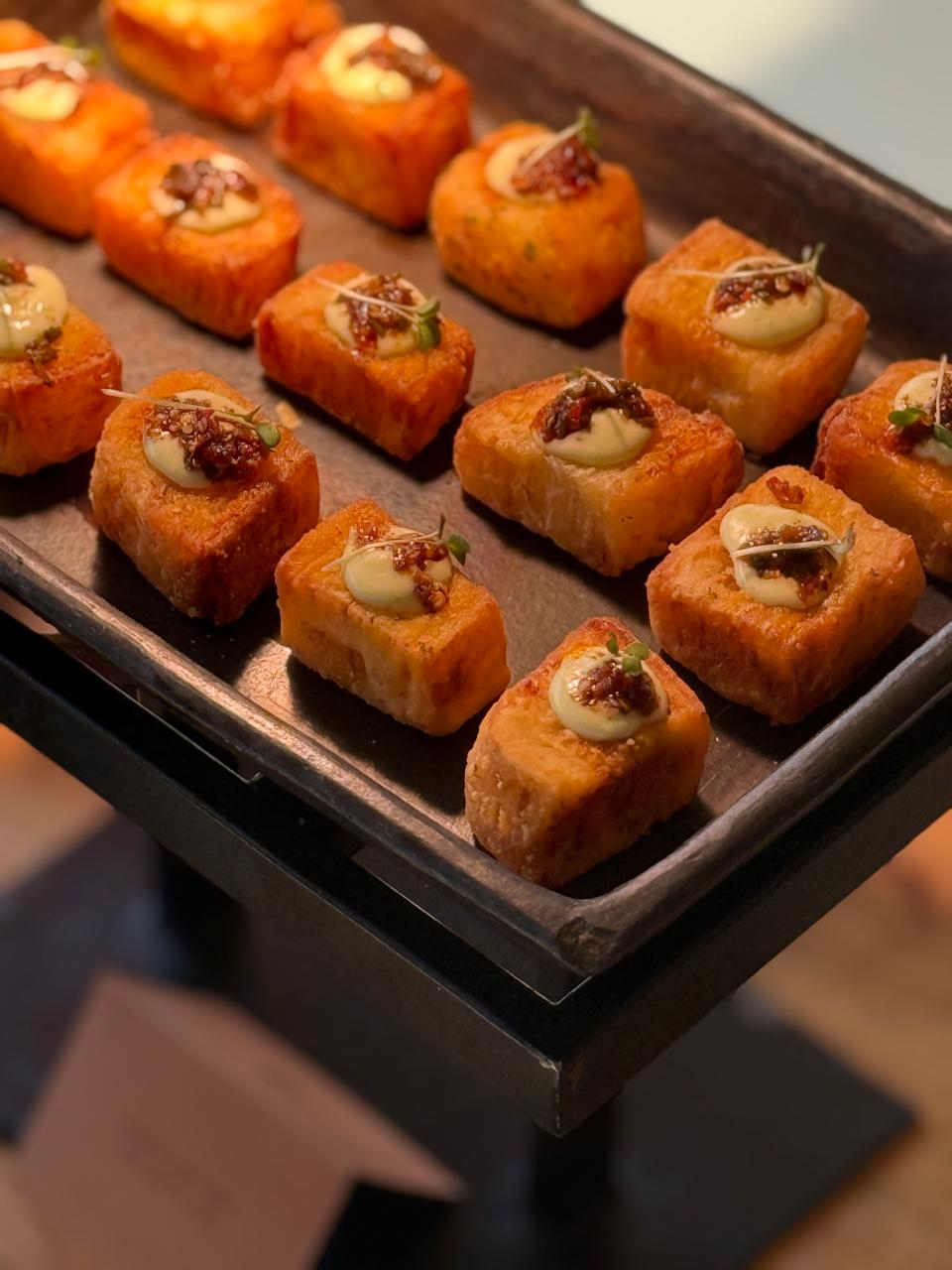
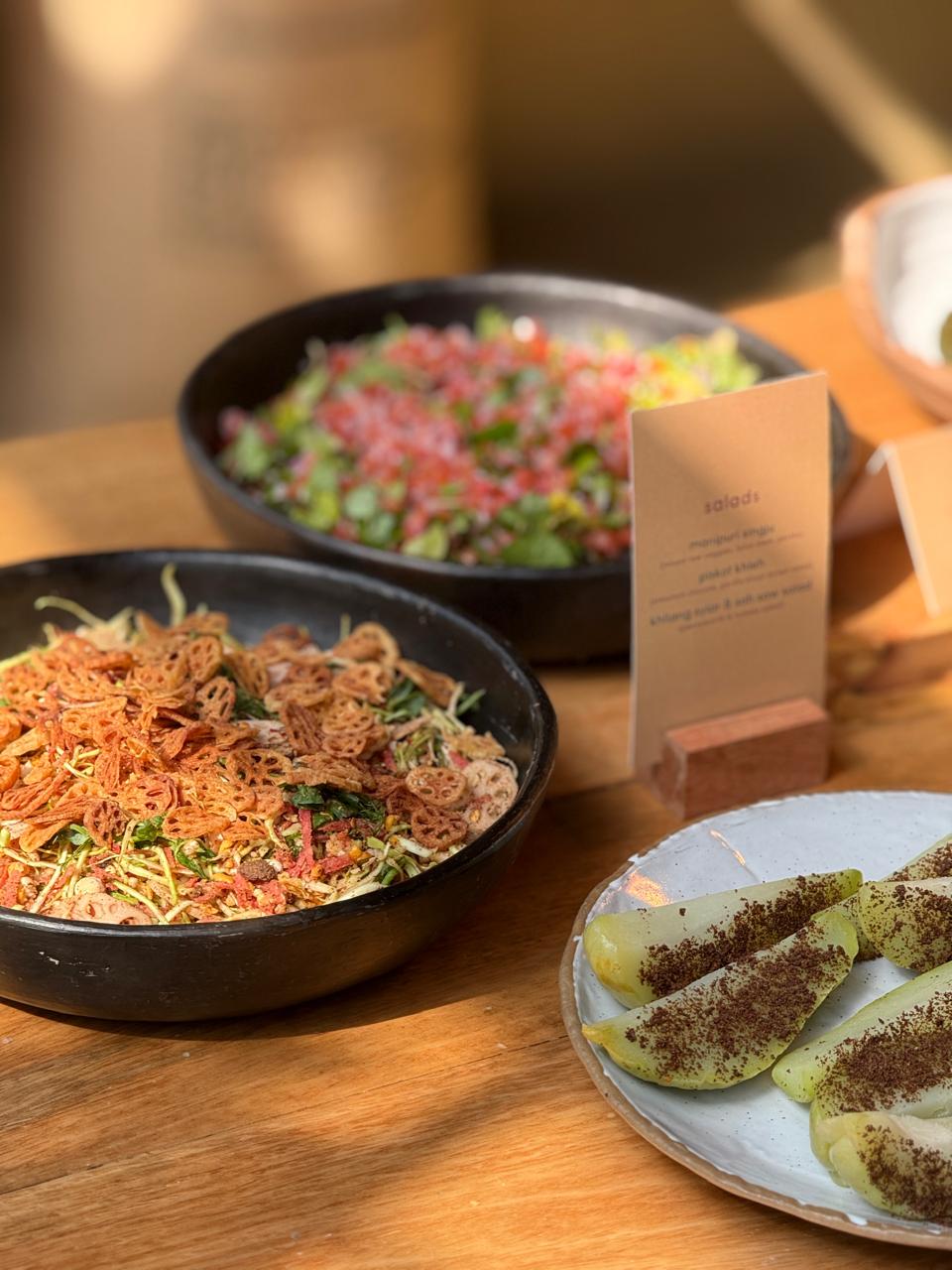
As one of the few visible chefs representing the Northeast, Tanisha has navigated both skepticism and stereotype. “I’ve heard it all—‘women are too emotional,’ or ‘can’t handle the physical side of the kitchen.’ But it’s the food that was harder to sell. In 2017, people had no idea what we ate. You had to convince them to just try one dish.”
Now, thanks to social media, tourism campaigns, and increased visibility from chefs and food writers, she sees a shift. “There’s more awareness. More curiosity. Suddenly, we’re under the spotlight—and honestly, it’s our time to shine.”
Still, she’s quick to point out the hurdles that remain. “Ingredient sourcing is tough. Fresh produce often has to be flown in overnight or come from remote, small-scale producers. That drives up cost—and not everyone understands what they’re really paying for: the survival of a food culture that’s long been ignored.”
At its core, Tribal Gourmet remains hyperlocal and grassroots. “We’ve always been sustainable in the Northeast. We eat local, eat seasonal. It’s not a trend—it’s how we survive,” she says. Her business model reflects that ethos. She sources directly from home-based producers, includes them in her menus, and works closely with government-backed initiatives in Meghalaya that support small-scale food entrepreneurs.
“Because I’m small, I can be flexible. I don’t have to scale in a way that loses soul.”
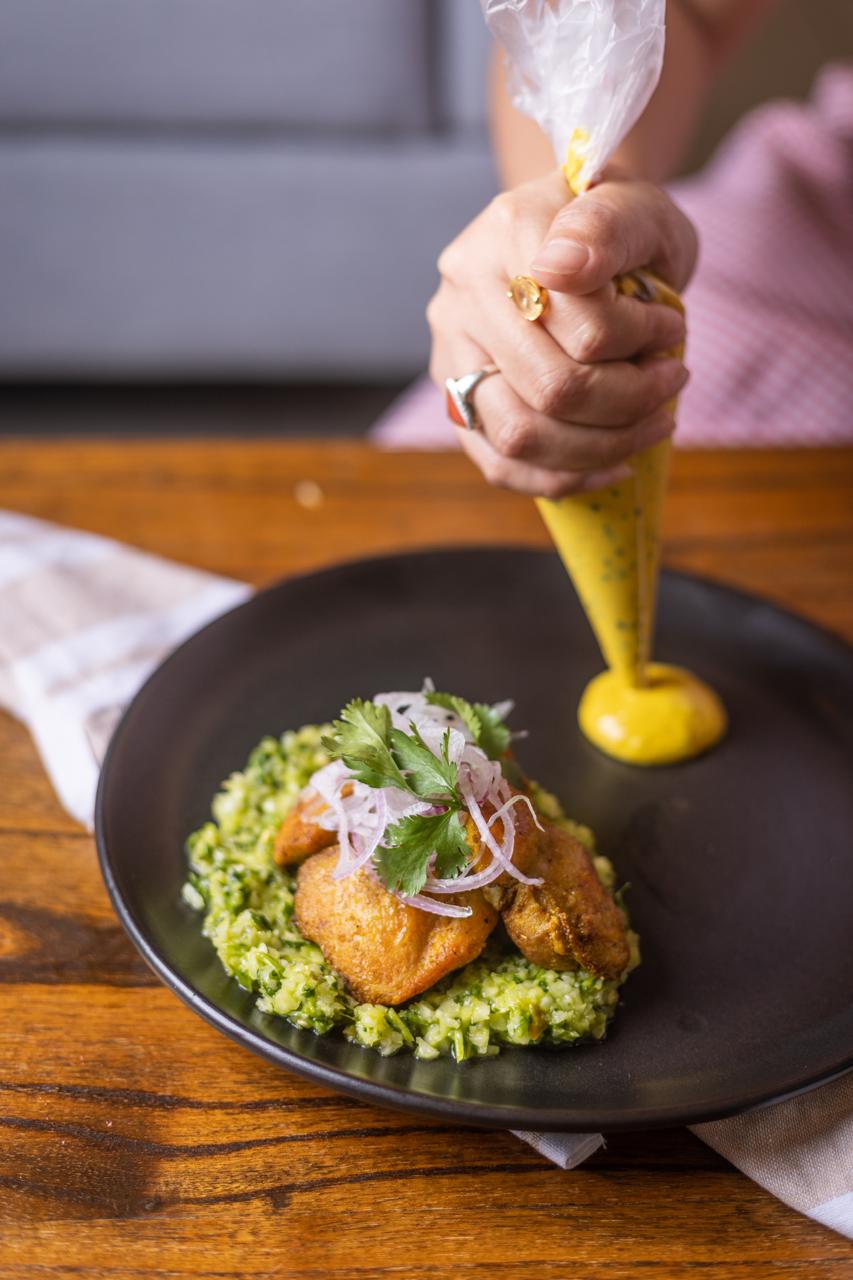
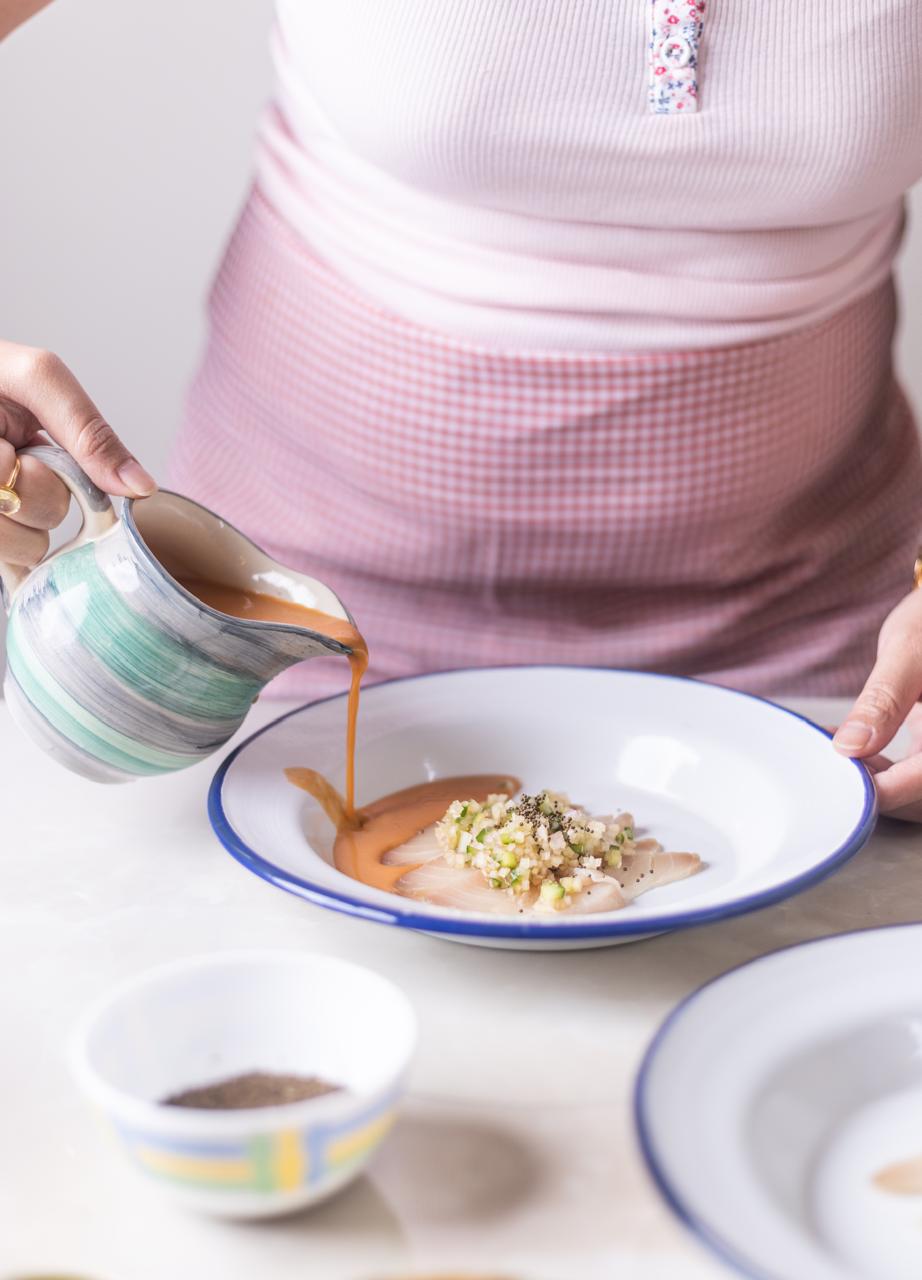
For Tanisha, food is more than commerce or art, it’s cultural diplomacy. “Food is a love language,” she says. “It breaks barriers in ways that politics can’t. Even in places torn by conflict, people often eat each other’s food without even realising it.”
Through her work, she hopes to foster that gently but powerful exchange. “Globally, chefs are looking to older civilizations for inspiration, India, Southeast Asia, Indigenous cultures. Fermentation, preservation, foraging, these are our traditions. And I want the Northeast to be part of that conversation.”
Tanisha’s vision is clear: more pop-ups, more plates, more stories. “We’re in a good place, but we need to keep showing up. Keep educating. Keep feeding people.”
And through it all, she carries the imprint of those early Shillong kitchens: her grandfather at the stove, her mother making wine, and a young girl on a stool, grating cheese with the focus of someone who already knew where she was headed.
Follow Tanisha’s culinary journey and discover more at: