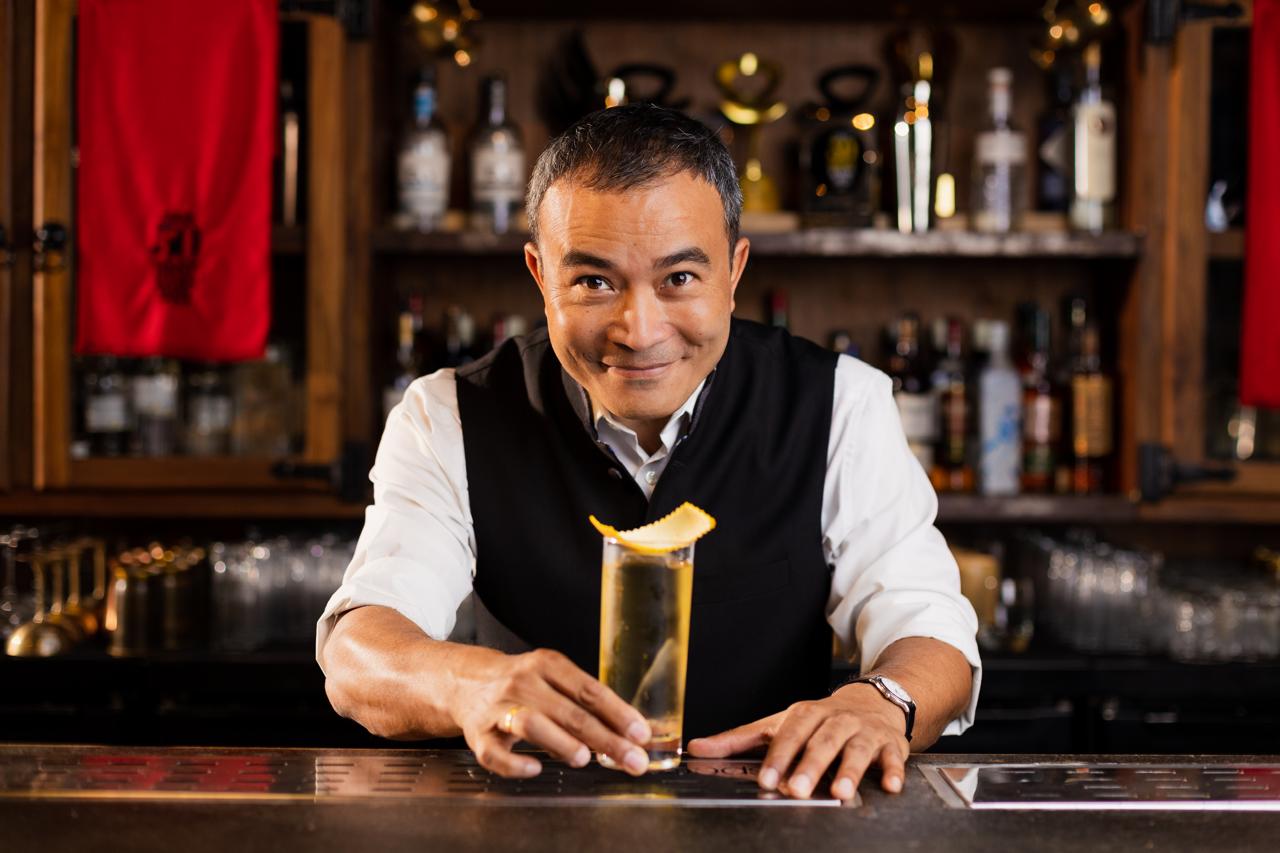
Few bartenders in India have shaped the nation’s cocktail culture quite like Yangdup Lama. Born in the village of Gayabari, a quaint tea garden village near Kurseong in the Darjeeling hills, Lama’s journey into the world of spirits and storytelling began far from the polished counters of urban cocktail bars. After completing his hotel management studies in Kolkata, he moved to Delhi in 1995, a turning point that would define the rest of his career.
He joined the Hyatt Regency Delhi as a food and beverage server, but it was behind the counter of the hotel’s iconic Polo Lounge that Lama discovered his true calling. What began as a job soon evolved into a passion, and eventually, a lifelong pursuit of mastering the art of bartending.
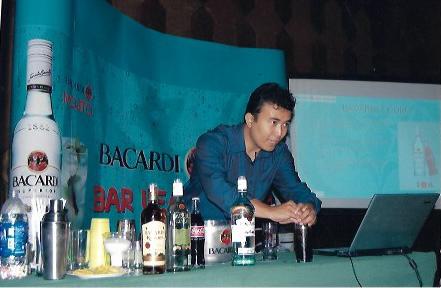
Over the years, Lama has become much more than a bartender. He switched gears and became a bar-owner, entrepreneur, educator, author, and one of the most influential voices in India’s beverage industry. His bar Sidecar has earned international acclaim, including a spot on Asia’s 50 Best Bars list and the title of India’s Best Bar (2021). In 2020, he made history as the first Indian to feature in Drinks International’s Bar World 100, a list celebrating the most influential people in the global beverage world.
Through his ventures, be it Speakeasy in Gurugram and the Cocktail & Dreams Beverage Studio in Delhi, Lama has championed Indian ingredients, Himalayan produce, and the idea that great cocktails are rooted in memory, place, and emotion. For him, mixology is a form of meditation. It’
It’s a quiet, grounding, and deeply personal. “It begins as a feeling and flows into something physical—into colour, aroma, taste,” he says. “It reflects who I am and how I engage with the world.”
In this conversation with The Northeast Stories, he reflects on his personal journey, from Darjeeling’s tea gardens to world-class bars, and how each cocktail he creates is a story waiting to be tasted.
A: My earliest memory that sparked my passion for cocktails is deeply rooted in my childhood in Darjeeling, the land renowned for its exquisite tea. Growing up amidst the rolling hills and misty landscapes, I was surrounded by the rich aromas and refreshing flavours of the finest teas. These experiences left an indelible mark on my palate and imagination.
As I transitioned into my role as a professional bartender, that nostalgic connection to tea transformed into a powerful source of inspiration. I began to weave the essence of Darjeeling’s famed brews into my cocktails, creating drinks that tell stories steeped in memory, place, and a profound appreciation for the delicate nuances of flavour.
A: My indigenious background deeply influenced my journey as a mixologist. Alcohol has always been part of our culture, so my connection to brewing and distilling isn’t just professional. Rather it’s cultural. Ingredients like Timur (Himalayan Sichuan pepper), Tite Pati (Himalayan Mugwort), Dalle Chilli, and Bogate (pomelo) shaped my palate from an early age.
Darjeeling taught me to appreciate freshness, simplicity, and seasonality. These humble ingredients became powerful storytelling tools in my cocktails—each one carrying flavours that reflect not just a place, but a way of life.
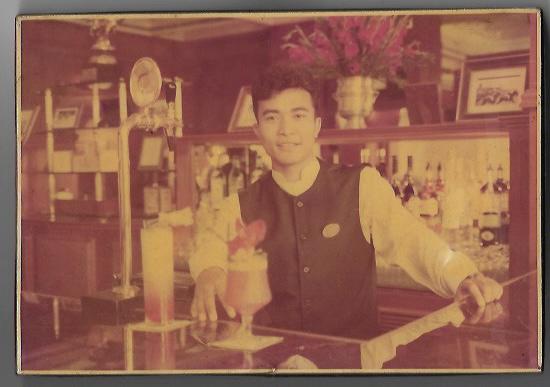
A. I began as a bartender, and that’s how I still see myself. It gave me discipline, craft, and connection. But over time, through conversations, ingredients, and the stories guests shared with me, I grew into a storyteller too.
Today, the two identities are inseparable. I tell stories through drinks, and each cocktail carries a part of who I am—where I come from, what I’ve learned, and what I want to share.
A: It marks the train journey I took in 1995, when I left Darjeeling for Delhi at the age of 22. That moment was filled with emotion: excitement, nervousness, sadness. I was stepping out of the familiar hills into the unknown, chasing something I couldn’t quite define yet. It was the beginning of everything.
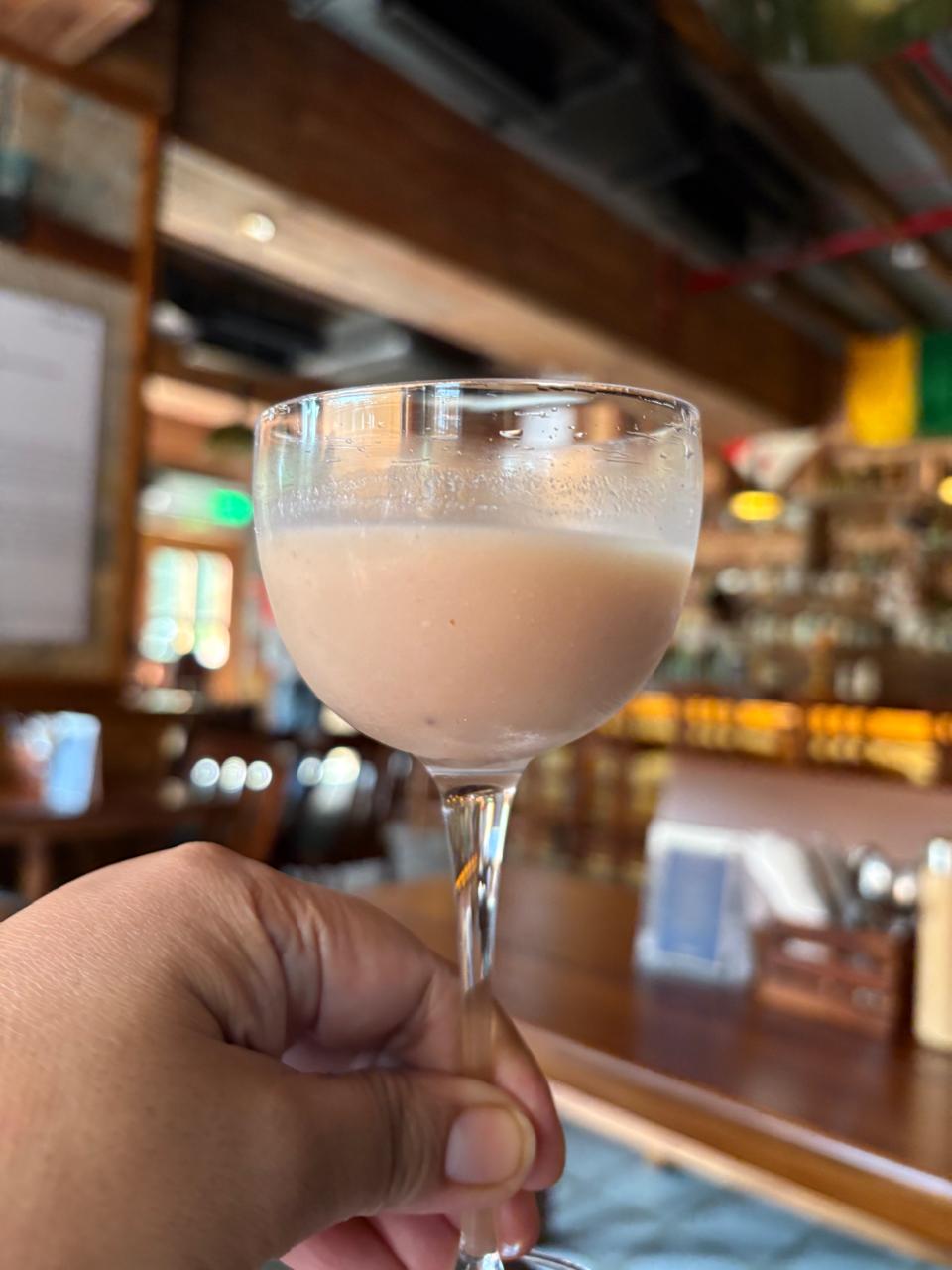
The cocktail is named after the Northeast Express, officially known as the Guwahati–Anand Vihar Terminal Superfast Express, a long-distance train that connects Guwahati in Assam to Anand Vihar Terminal in Delhi. For many from the Northeast, it’s more than a mode of transport, it’s a rite of passage. It carries not just passengers, but hopes, homesickness, ambition, and memory.
The Northeast Express cocktail is my tribute to that journey. Every sip carries that blend of optimism and longing — a young man leaving behind home, clutching a suitcase and a dream, headed toward a city that would change his life. It’s not just a drink. It’s a memory you can taste.
A: I want them to taste place. Not just the fruit, but the land it came from—the altitude, the soil, the air, and the care with which it was grown. These ingredients have character. When you sip on them in a cocktail, you’re not just tasting flavour—you’re tasting emotion, environment, and memory.
Take Robab Tenga, also known as Pomelo or Shaddock fruit. Native to the region, it’s a citrus deeply embedded in local life—you’ll find a pomelo tree in almost every backyard or garden across the Northeast. With its thick green or yellow rind and juicy pink or white flesh, it’s packed with complex, sweet-tart flavour, and a powerhouse of Vitamin C, potassium, copper, and antioxidants, among many others. But more than nutrition, it’s a fruit of home—something people grow, tend, and enjoy fresh from the tree, giving every cocktail that touch of nostalgia.
Similarly, passion fruit is part of everyday life. Almost every home garden has a crawling vine, climbing fences or winding through trees, bearing these small but intensely fragrant fruits. The passion fruit’s tangy sweetness, with its fragrant, tropical aroma, adds brightness and vibrancy. Like the pomelo, it carries stories of seasons, family gardens, and the simple joys of harvesting fruit straight from the vine.
When I use these ingredients in my cocktails, I’m not just layering flavours— I am bottling a sense of place and memory, inviting people to taste the land, the home gardens, and the culture they come from. It’s about sharing an experience, a moment captured in every sip.
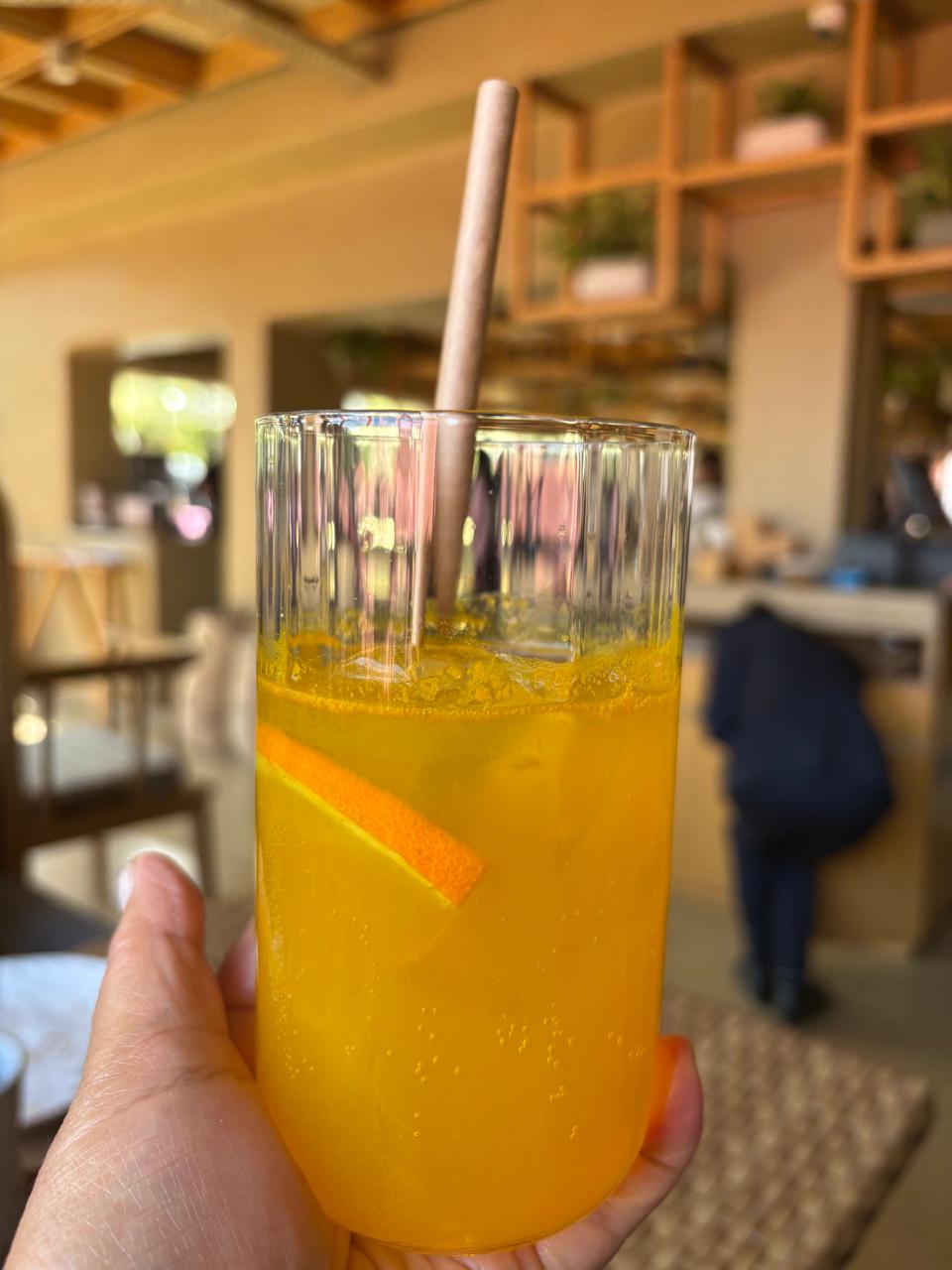
A: The Brook is a space where my Himalayan roots flow into my urban life. It's not just about showcasing ingredients. —it’s about creating an atmosphere that feels familiar, grounding, and warm. We’ve tried to build a place that welcomes everyone and carries a sense of calm, like a gentle mountain stream.
It’s very different from my earlier projects. This isn’t about flash or trend—The Brook is about emotion, community, and quiet joy. It’s a reflection of my journey.
They offer a whole new dimension. With zero-proof cocktails, you're not leaning on alcohol for complexity—you’re relying fully on your craft. That’s a challenge I love.
More importantly, people are becoming mindful. They want to enjoy thoughtfully made drinks without necessarily consuming alcohol. That shift is exciting—it shows respect for the craft, for health, and for experience.
A: Yes, but we’re still scratching the surface. The Himalayan region particularly is gifted with one of the richest depositories of medicinal and culinary plants. People in many isolated and rural communities still rely on traditional treatments, deeply connected to the abundant plant resources around them—from wild pepper and native citrus to rare local herbs like Timur (Himalayan Sichuan pepper), Tite Pati (Himalayan mugwort), and Dalle Chilli (Himalayan cherry chili).
These ingredients carry not just unique flavours but also centuries of knowledge and tradition. They are part of the very fabric of life in the hills used for healing, cooking, and cultural rituals. The incredible diversity and potential of these plants are only now starting to be appreciated on a wider stage.
People are beginning to realize that “exotic” doesn’t have to mean something imported from faraway lands, it can mean something rediscovered and revalued right at home. This deep-rooted connection to place, culture, and nature is what I believe will shape the future of flavour and mixology in India—and beyond.
A: I think it lies in being thoughtful. Hyperlocal is powerful, but only when used with understanding. The best cocktails come from knowing what you have around you and using it with respect—whether that’s a local herb or an imported spirit. It’s about curiosity, awareness, and creativity. When all these elements come together, they create magic.
A: It starts with memory — what that place or moment meant to me. Then I look for ingredients that evoke it. The technique follows. It’s a balance: technique gives structure, memory gives purpose.
Take Kazi Nimbu, for example—also known as Assam Lemon. It’s a remarkable citrus native to Assam, known for its large size, thick rind, and intensely aromatic zest. Unlike regular lemons, it carries a layered fragrance and flavour that lingers—almost floral, yet sharp. It’s also culturally significant—recently declared the state fruit of Assam, marking a new chapter for local agriculture and identity. When I use Kazi Nimbu in a cocktail, I’m not just adding acidity—I am bottling the spirit of the Northeast, the rhythm of the monsoon, the memory of a roadside meal, the burst of citrus over hot Maggi at a hilltop tea stall. That’s what I mean when I say cocktails are emotional. They’re not just drinks — they’re echoes.