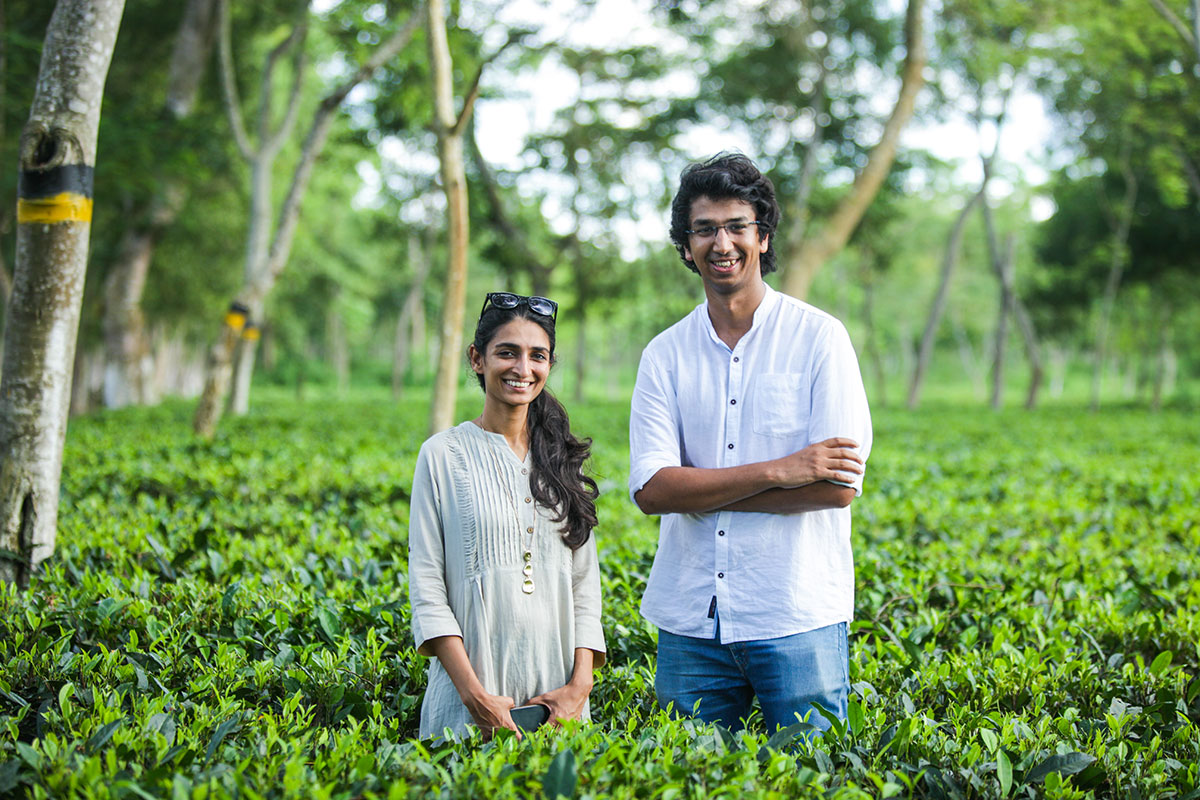
In the heart of Assam’s lush, rain-kissed landscape lies a legacy that spans four generations: Jalan Tea Estates, a name woven into the rich traditions of India’s tea story. At the helm today is Mrityunjay Jalan, a fourth-generation tea planter who bridges the wisdom of the past with the urgency of the future. Educated in Singapore, shaped by global exposure, and deeply grounded in his roots, Mrityunjay Jalal returned home to Assam with a vision: to modernise the way tea is grown, processed, and experienced without losing the soul of the garden.
From introducing Japan’s cutting-edge automated green tea technology to launching community-led training programs, from facing the stark realities of climate change to experimenting with aromatic herbs and sunflower oil, Mrityunjay’s journey is one of fine and careful balance between innovation and tradition, between productivity and sustainability, between machines and people.
In this rare and intimate conversation with the Northeast Stories, we sit down with him to trace that journey through the memories of his childhood in the estate, the lessons from his grandfather, the challenges of the present, and the promise of a future where tea remains not just a product, but a way of life.
A: I was born into a family that has been in the tea business for four generations. My great-grandfather was one of the first Indians to run a tea estate in Assam, and that legacy shaped much of who I am today. Although my parents had moved to Calcutta by the time I was born in 1991, my father was overseeing our ventures in Madhya Pradesh. All along, Assam remained home in every way that mattered. All my school vacations were spent in the gardens, and those months were deeply formative.
Some of my earliest memories are of running barefoot on red mud paths, watching the factory come alive at dawn, and the smell of fresh tea leaves in the air. I drove a tractor when I was in middle school not as a novelty, but as part of life. That kind of raw, immersive exposure gave me an understanding of agriculture, manufacturing, and community that no classroom ever could. For most city kids, that would be the stuff of school trips. For me, it was childhood.
Living between two worlds of urban Calcutta and rural Assam gave me a rare perspective. The simplicity, the close relationship with land and people, and the sense of purpose you find in the gardens made it very difficult for me to ever fully settle into city life. That early connection to the land is something I still carry with me every day.
A: I went to Singapore Management University and pursued operations management, which aligned well with my background. I also worked in Singapore for two years in consulting FMCG-focused, which again, tied back to my roots. That time gave me exposure to global work environments and helped me understand structured management and professional culture.
But tea was always in my DNA. In 2015, I got an opportunity to partner with a Japanese company to set up a green tea factory in Assam. That is when I returned home. Around the same time, my elder sister Avantika (who now runs the Red Bari, a culture space restored from 90-year-old restored Kolkata), also returned. Together, we decided to go all in.
A: I think it was well understood. It was natural, in a way. We were not just entering the business, but we were continuing a legacy, but with a fresh perspective. I will not say it was easy, but it was fulfilling. We have made sure that we remain rooted in our values while also modernising operations.
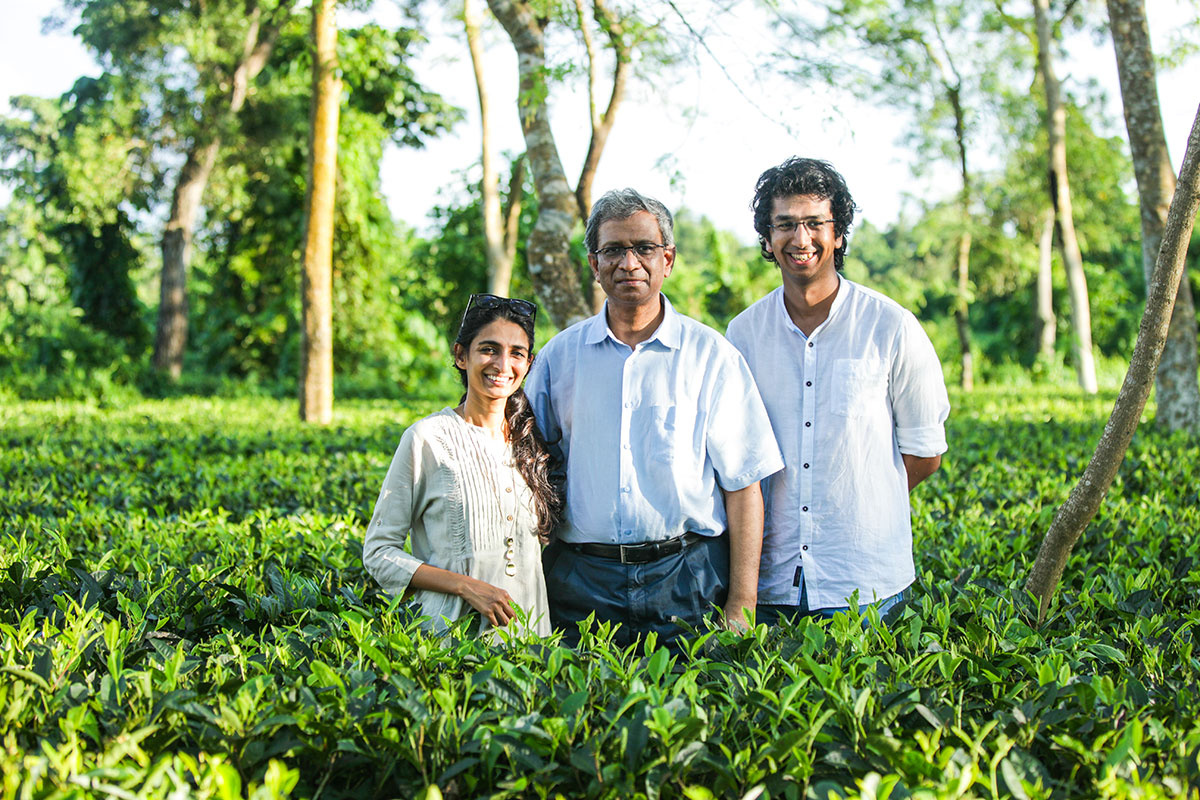
A: Very early. I think it planted the seed. That exposure drove me to pursue operations management at Singapore Management University. I worked in Singapore for a few years in consulting, mostly in FMCG. It gave me a global view how large supply chains work, how product quality and branding come together. But something was always pulling me back.
A: In 2015, a collaboration opportunity came up with a Japanese company to build a fully automated green tea factory in Assam. That was the nudge I needed. My sister, who was studying sustainable agriculture at Berkeley, returned too. She started our organic plantations. And just like that, we were back in the garden, but this time with a purpose.
A: Two things stand out. First is our relationship with people. My grandfather always emphasised the need to keep the workforce happy, and they will take care of you like family. My father championed that, and we continue it. Second is the scale of modernisation. The Japanese factory we set up can produce 200,000 kg of green tea annually and can be run by a single person. That would have taken 30-40 workers in a traditional setup.
A: Very. It is a unique style of steamed Japanese green tea, quite distinct from what is typically made here. The whole model was built from a scratch which is different leaf plucking, different processing, and a very specific market. It was our way of breaking out of the commodity tea rut.
A: You cannot dismiss the past. The learning passed down through generations, especially around labour relationships, is priceless. My grandfather always said, “Keep your workforce happy, they'll take care of you better than anyone.” My father lived by that too.
That is why, along with modern practices, we have focused on community empowerment. For example, we started the Mahadev Jalan Tea Training Program which is named after my grandfather. It is a two-year program for graduates from within the tea community. We pick educated youth from our estate communities, train them for managerial roles over two years, and give them real responsibilities. It is one way we are creating leadership from within. It is not just empowerment but a powerful process where it is passing the torch within.
A: Absolutely. The weather’s no longer predictable. Earlier, tea thrived on rhythm like cool nights, measured sun, steady rain. Now we have flash floods one month, drought the next. That is why diversification is not an option but a necessity. We are working with agricultural universities to grow aromatic crops like lemongrass, experimenting with sunflowers for oil, and turmeric and ginger too. All of these can use the same land, same labour yet offer a hedge against crop volatility. We have finished trials and are now going commercial with sunflowers for oil production.
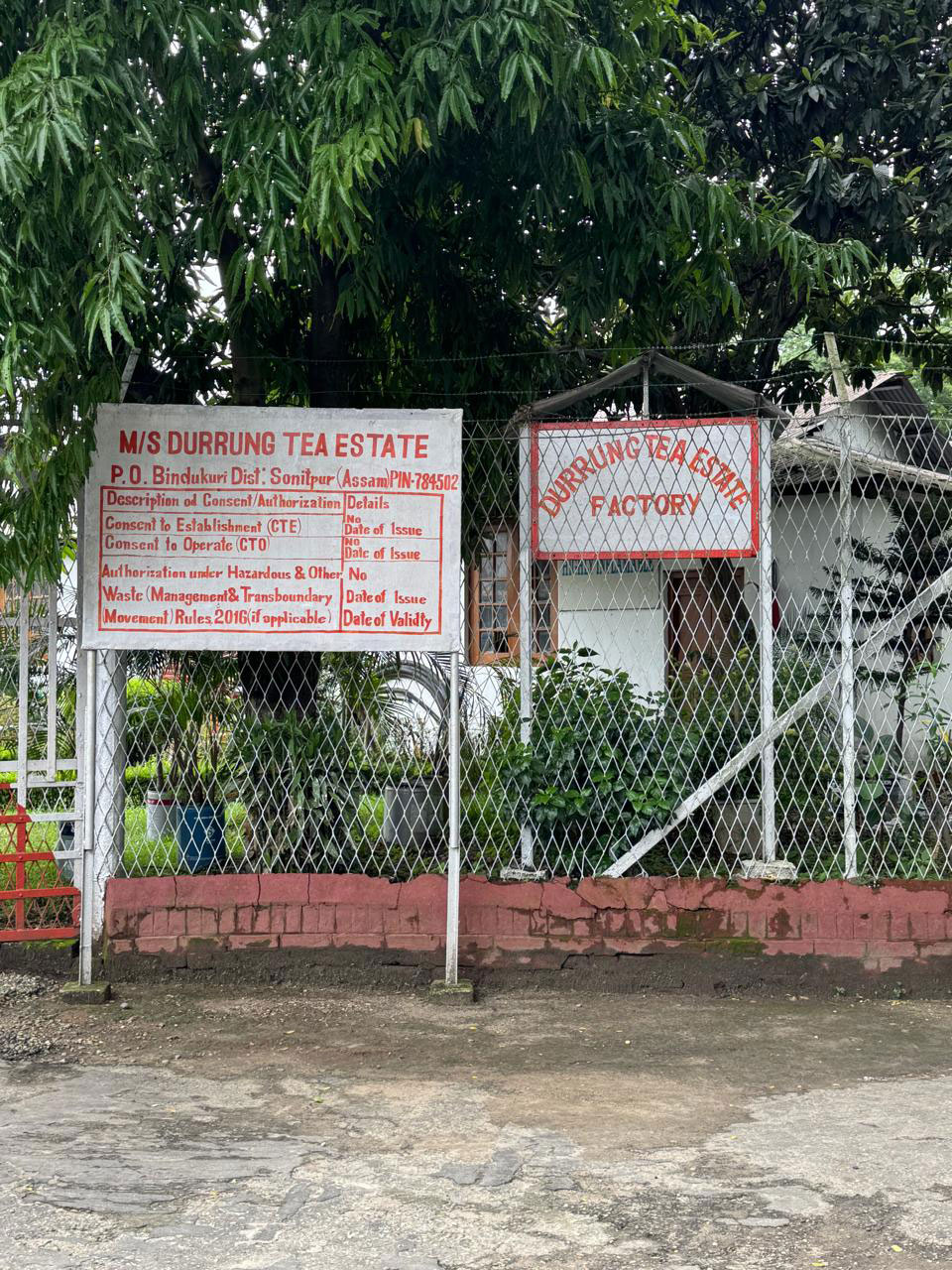
A: We operate across several tea estates in Assam, covering a total plantation area of approximately 1,250 hectares. Our largest estate is Durrung Tea Estate, located in Tezpur, spanning around 400 hectares. The flagship estate is Chota Tingrai Tea Estate in Tinsukia, covering 350 hectares. Also, in Tinsukia is Bahadur Tea Estate, spread over 150 hectares and Tingamira Tea Estate which is around 100 hectares. In the Dibrugarh region, we manage Dinjoye Tea Estate, which is approximately 250 hectares in size. Altogether, we produce around 3 million kilograms of tea annually across all varieties.
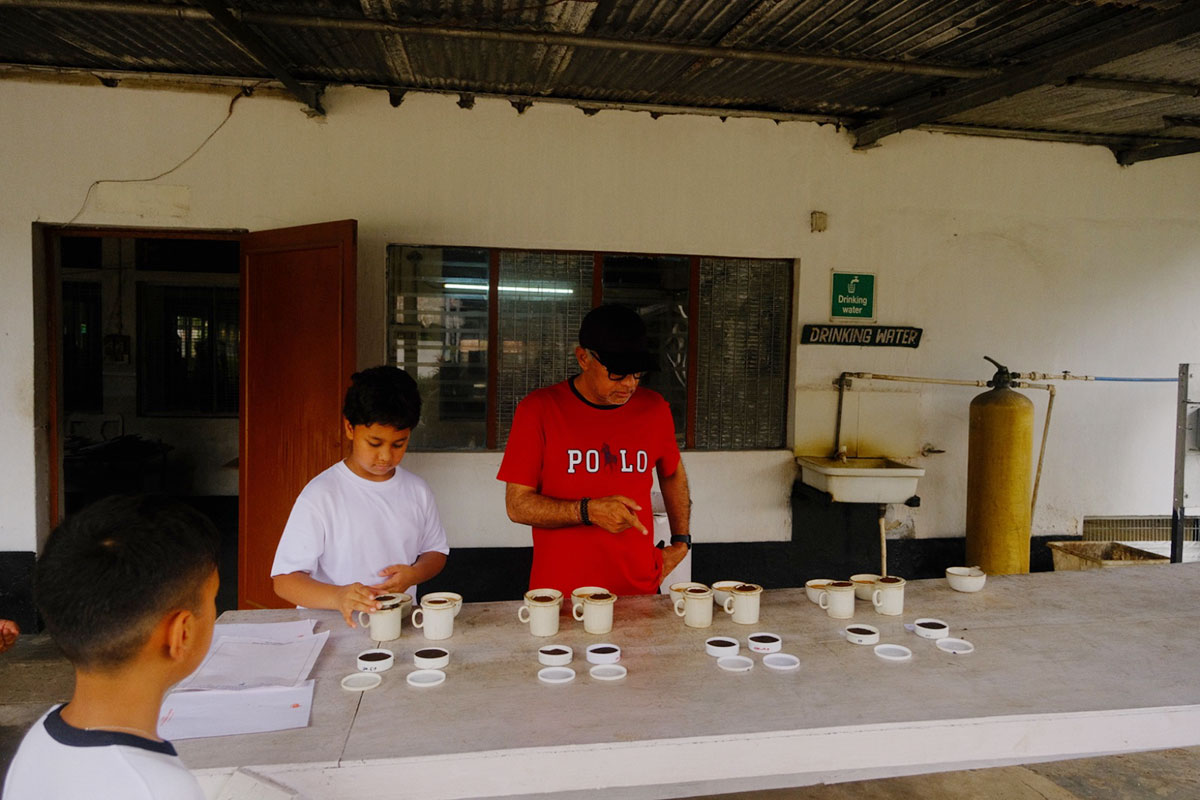
A: Assam still holds strong in reputation, but soil degradation and climate stress are real threats. Years of fertiliser usage have stripped the soil of its organic matter. So, there is an urgent need to bring carbon back to the soil.
Only a few estates that have preserved soil health still make the top-quality tea Assam is famous for. Others are suffering.
There is also the issue of labour migration. With better education and access to cities, fewer people want to stay in rural areas or do physically intense jobs like tea plucking. This is a big challenge going forward.
A: Yes, and it is evolving fast. With better education and access to cities, the next generation does not want to work in tea. And why should they? It is hard, gruelling work. Plucking in 40-degree heat, or under pouring rain, day after day it takes grit. So now, more than wages, it is about respect and dignity. The British-style top-down approach will not work anymore. Labour needs ownership. They need to feel proud of their work.
A: In part, yes. But it is tricky. Machines often compromise on quality. Unless we develop machines that can selectively pluck just the right leaves, the human hand remains irreplaceable.
The bigger shift needs to happen in how we treat our labour. It cannot be the old top-down model. Workers need ownership, respect, and a sense of purpose. That is what drives long-term commitment.
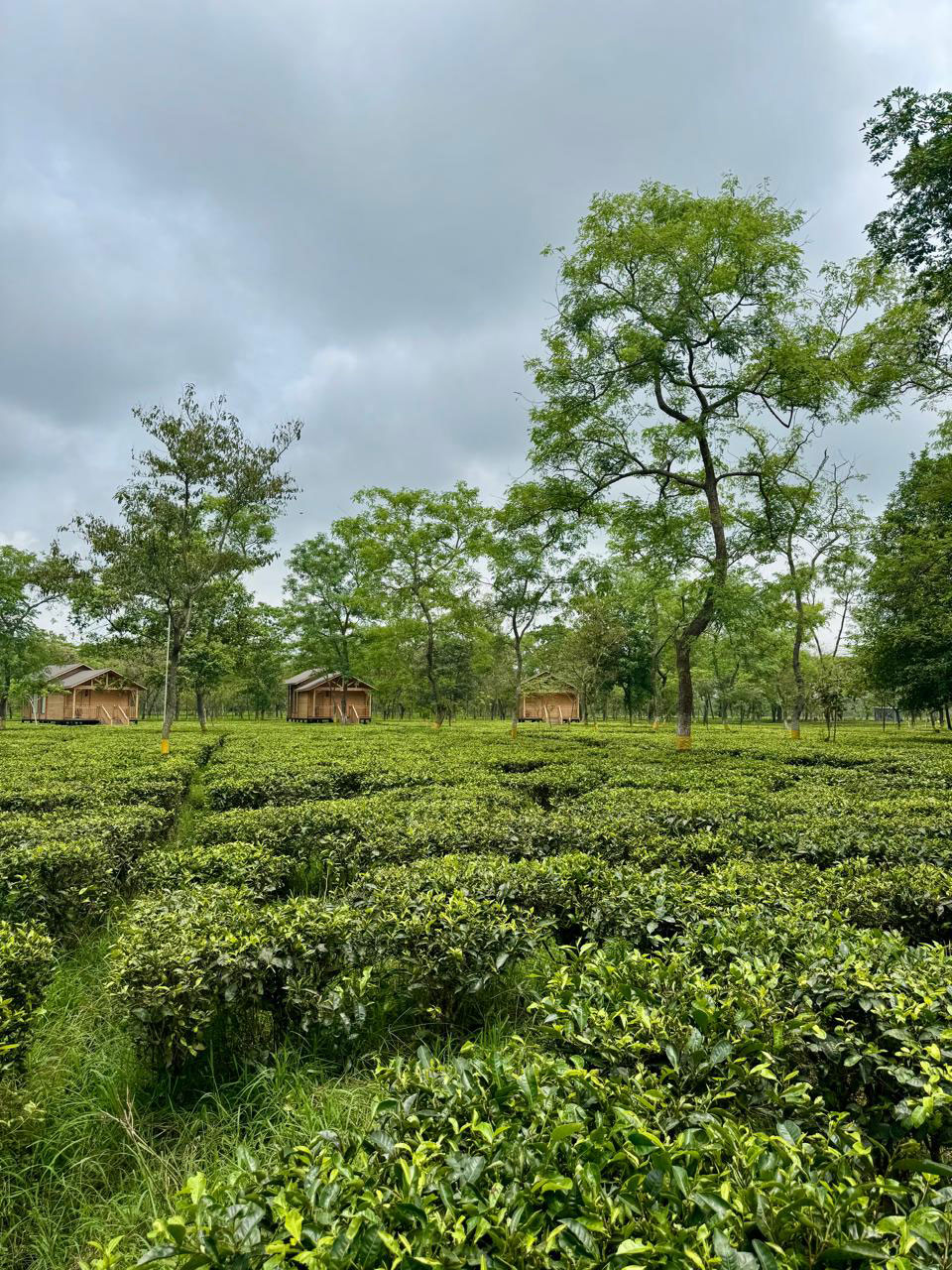
A: Our core products are CTC which stands for Crushed Tear and Curl, which goes into regular Indian chai; orthodox, which is mostly exported; Japanese-style green tea from our automated unit; and speciality blends like chamomile, hibiscus, and our own masala chai. We also have a blending and packing unit for premium custom teas.
A: All over. We export to the U.S., Australia, parts of Europe. In India, we supply to cafes, boutique hotels like Postcard Hotels, who exclusively serve our teas at their Assam and Goa properties. We also sell to larger packagers and distributors.
A: Potential, as long as we stay rooted. The Northeast is rich in culture and nature. It does not need cookie-cutter hotels. It is promising but must be done thoughtfully. Assam is known for its lush greenery, biodiversity, and heritage. Any development be it hotels or resorts must respect that identity. That is why we partnered with a disruptive brand like Postcard. Their property on our estate reflects Assam from the food to the architecture to the staff. When someone checks into a property in Assam, they should feel they are in Assam and not just another generic five-star hotel. Therefore, that sense of place must be preserved.
A: That is accurate. My base is Dibrugarh, where our head office is. I am between there, Tezpur, and Calcutta. I have spent the last ten years living like that. The only time I stayed in one place for more than 15 days was when I had Covid.
A: For me, there is no real boundary between work and life—it all blends in. But I treasure quiet Sundays. That is when I truly switch off—read, write, watch sports. I turn my phone off, read, and write a bit. Mostly nonfiction — biographies, leadership, management. I loved Beyond the Last Blue Mountain by JRD Tata. Currently reading about Ratan Tata and recently finished one on Azim Premji. Oh, and The Art of Racing in the Rain that one stayed with me.
A: Right now, we are scaling the sunflower oil project moving from pilot to commercial production. Also expanding our fragrance herbs like lemongrass, citronella, to name a few, which can thrive even in difficult climate years. My grandfather built these estates on intuition and grit. We now have data, tools, and global partners. But the mission is the same: keep the land alive and the people proud.