Nagaland’s literary landscape is undergoing a quiet but remarkable transformation. Home to one of India's highest literacy rates — ranging from over 80 per cent to above 95 per cent in some districts—the state has long nurtured a strong reading culture, aided by English being both its official language and the primary medium of education. Today, that culture is finding fresh expression through literary festivals such as the White Owl Literature Festival in Chümoukedima and the Nagaland Literature Festival in Kohima, where indigenous storytelling, emerging voices, book launches, and conversations on literature are drawing growing audiences. Across the state, community-led initiatives such as Khonoma’s trust-based roadside libraries and independent book spaces have further strengthened this ecosystem, reflecting a renewed curiosity for books, particularly among young readers.
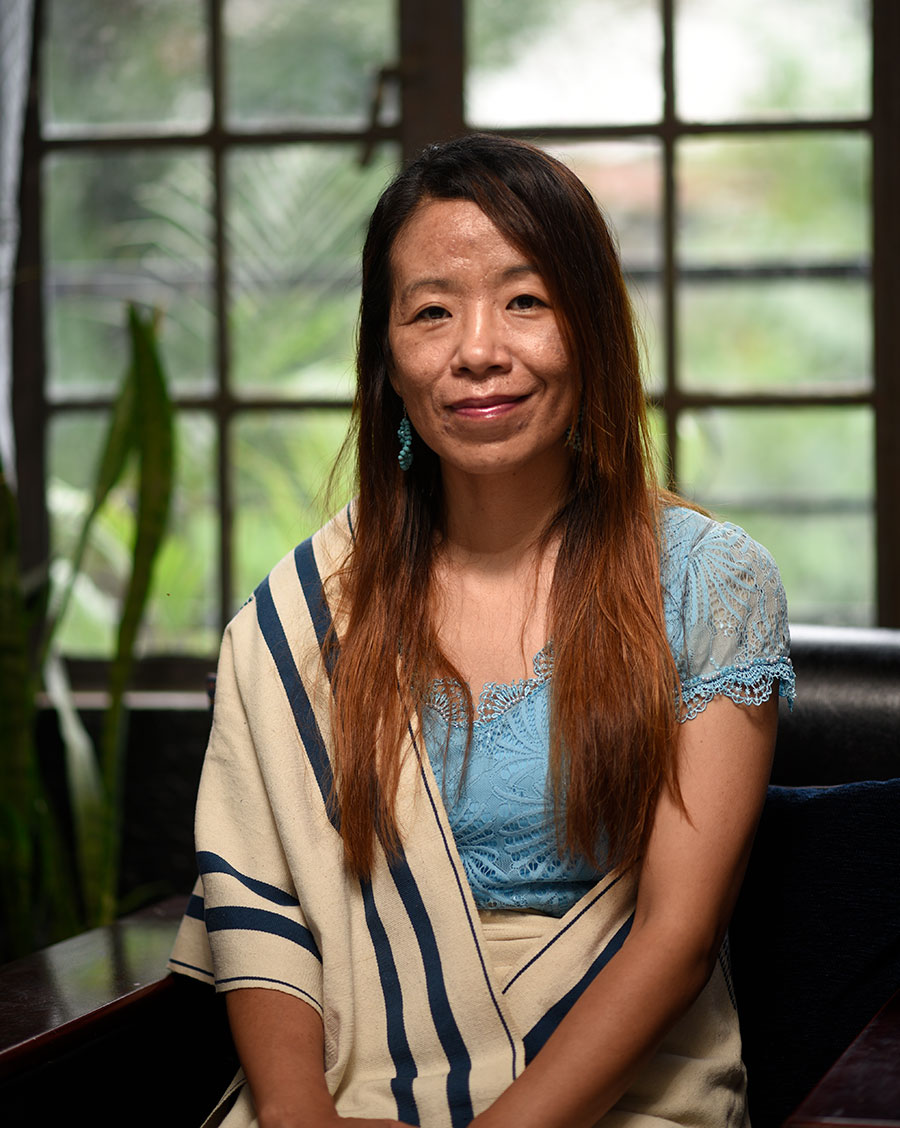
Alongside celebrated Naga authors like Easterine Kire, or the late Temsula Ao, who have carried the region's folklore, history, and lived experiences to national and international audiences, a new generation of publishers and literary entrepreneurs is helping shape the future of storytelling in the state. Among them, Vishü Rita Krocha has emerged as one of the defining voices behind Nagaland's independent publishing movement.
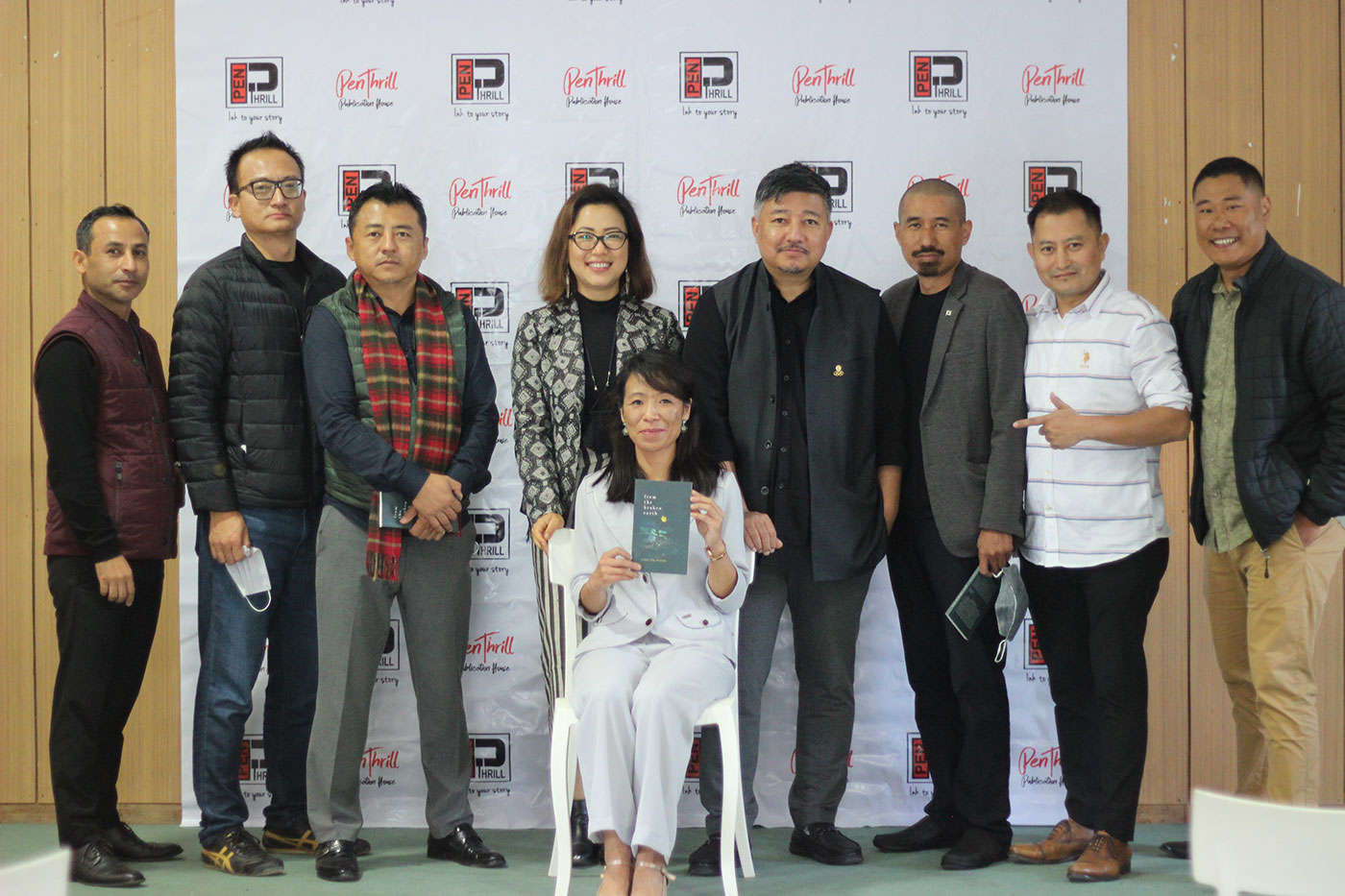
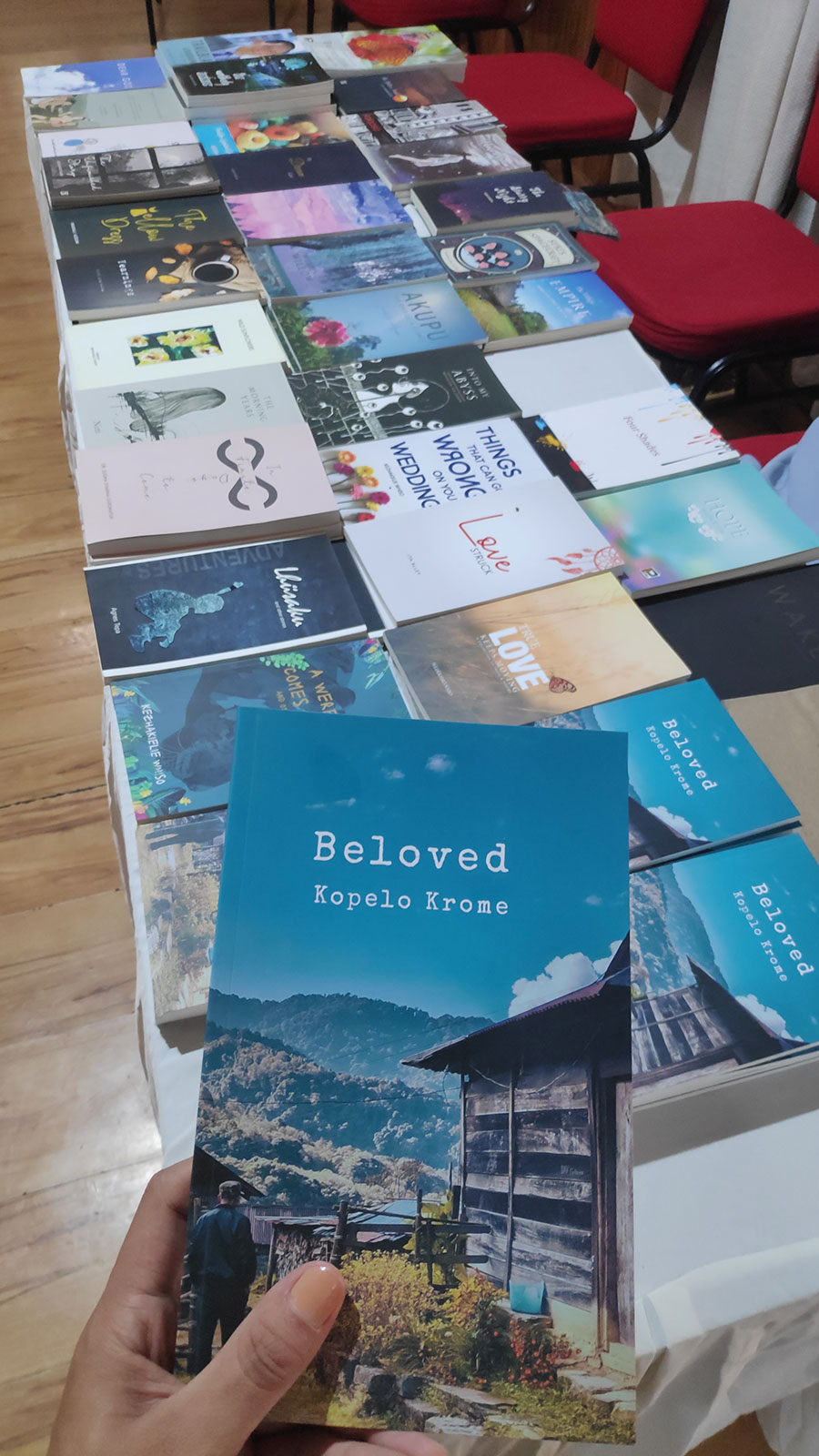
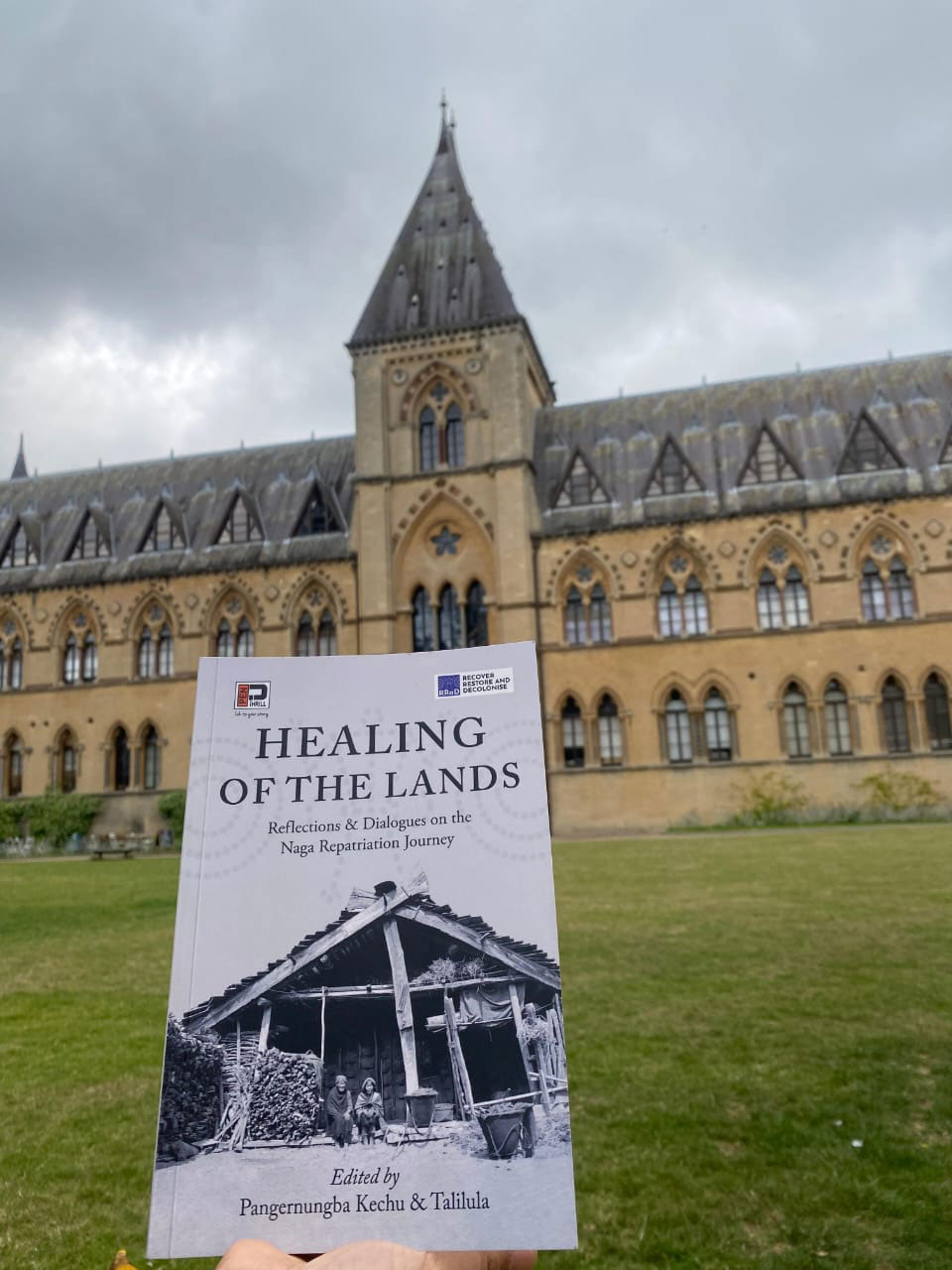
At a time when stories are increasingly consumed through fleeting digital feeds, Krocha has remained committed to the enduring value of the printed book. From her home in Kohima, she founded PenThrill Publication in 2013, growing it over the past twelve years into one of Nagaland's most recognised independent publishing houses. Since its inception, PenThrill has published more than 120 books spanning poetry, fiction, folklore, children's literature, biographies, academic works, and graphic narratives, creating space for both established and emerging writers from the region.
Her commitment extends beyond publishing. Through The Story Keeper, PenThrill's bookstore and cultural space in Kohima, Krocha has built more than a place to buy books—it has become a meeting point for readers, writers, students, and visitors, where literature is discussed, celebrated, and shared. A former journalist and the author of six books, with contributions to acclaimed anthologies and academic publications, she continues to shape Nagaland's contemporary literary landscape through writing, publishing, and advocacy.
In this conversation with Northeast Stories, Vishü Rita Krocha reflects on storytelling, memory, the evolution of publishing, and why, in an age dominated by digital consumption, books continue to offer a permanence and intimacy that few other mediums can match.
I grew up in Kohima in a locality that was once surrounded by lush forests. We would go into the woods to collect wild berries or gather dry twigs in winter. A stream flowed just below our home, and in many ways, it felt like growing up inside nature itself.
I also had the privilege of visiting my grandparents in the village during holidays. Along with learning farming practices, what stayed with me most were the evenings around the traditional kitchen hearth—listening to stories and folktales passed down through generations. I did not fully understand it then, but those moments quietly shaped my relationship with storytelling.
I started PenThrill in November 2013 after leaving full-time journalism, where I worked as a Kohima correspondent for an English daily for five years. I had no business plan—only a strong love for books and the desire to create a platform for writers like myself, because there were very few opportunities at the time.
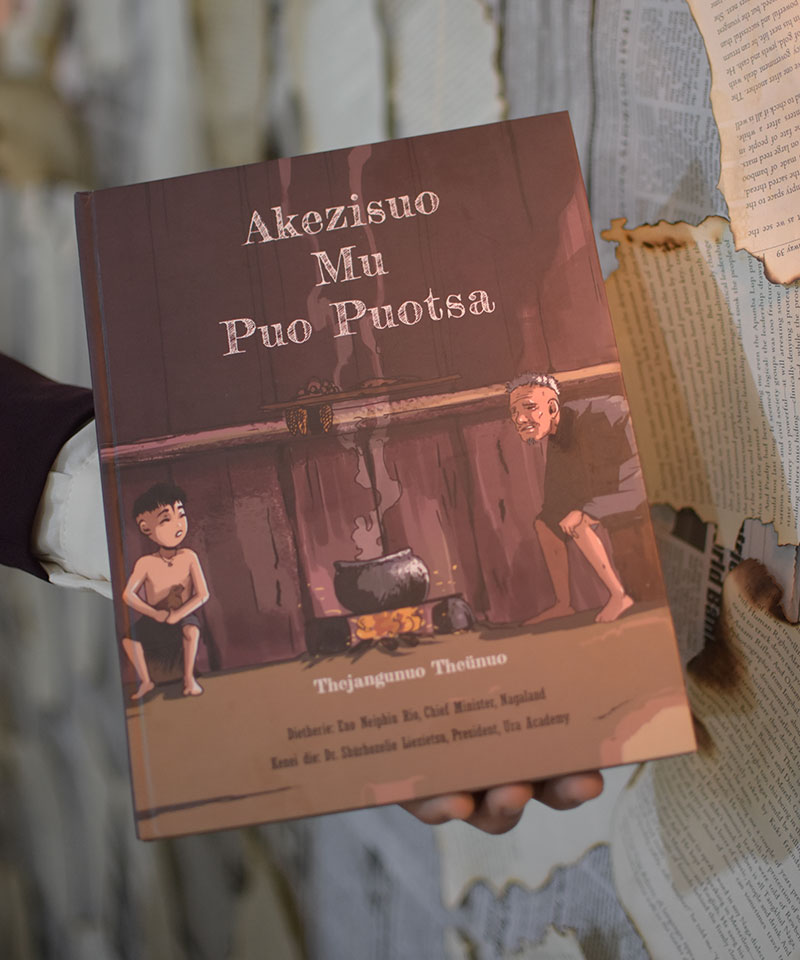
Over the years, it has been a journey of learning everything from scratch. Today, we primarily publish in English, but we also work with indigenous languages such as Sumi and Tenyidie.
The response has been far more encouraging than I ever expected. When I started, I had no background in publishing or business, so everything was new. But the trust people placed in PenThrill kept us going.
I also feel there is now a growing reading culture in Nagaland. We are rooted in an oral tradition, but writing and publishing are slowly shaping a new literary landscape.
Even today, I have not felt the need to immediately move into digital publishing. Many people suggest e-books and audiobooks, but for me, the experience of holding a physical book—the texture, the smell, the quiet of reading—is irreplaceable.
The challenges were many, especially in the beginning when publishing was still a very unfamiliar concept. It required resources, skills, and support systems that I did not initially have.
My family played a crucial role in helping me—through design support, financial help, and encouragement. Without them, PenThrill would not have survived its early years.
Another ongoing challenge is that most of the authors we publish are first-time writers. While this is exciting, it also means taking risks with every manuscript we choose to publish. But it has always been worth it.
We have also published in Sumi and Tenyidie, though the number of books in indigenous languages is still limited.
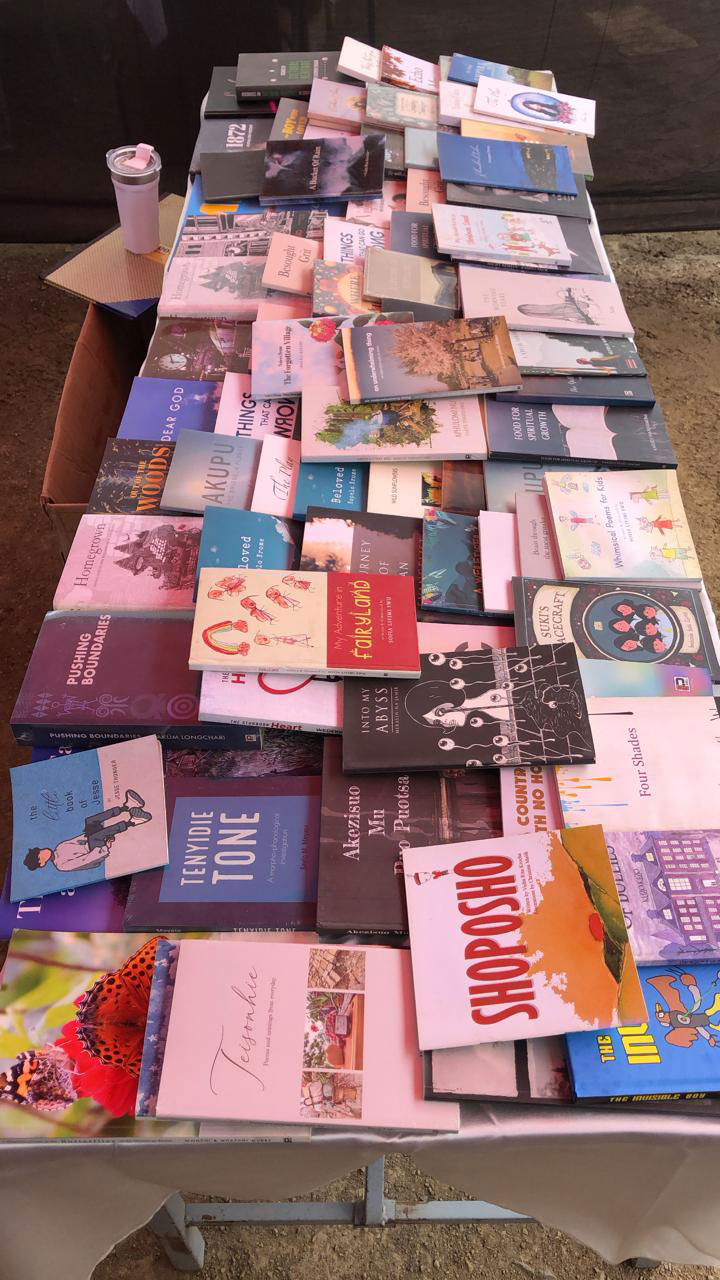
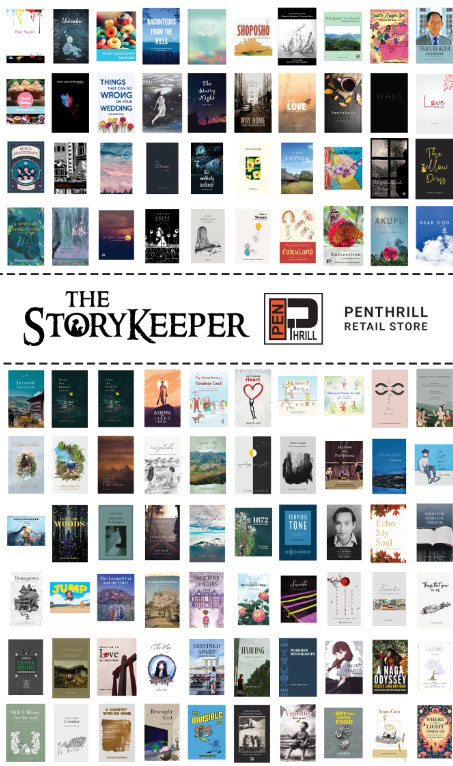
Over the years, we have published around 120 books, including works from Nagaland, Manipur, and Arunachal Pradesh.
We work across genres—poetry, fiction, folklore, academic writing, biographies, cookbooks, graphic narratives, and children’s books. Social media has helped us reach readers, but ultimately, every book has its own identity and deserves its own space.
Some of our notable authors include T. Keditsu, Avinuo Kire, and Emisenla Jamir. We have also published remarkable young voices, including a seven-year-old author, Sofia Livimi Swu, who has already written multiple books.
The oral tradition has definitely weakened, and that is something we are only now beginning to realise fully. Earlier, storytelling was part of everyday life—something shared within families and communities.
Today, that experience is less common. Attention spans are shorter, and lifestyles have changed. However, writing has grown significantly. As a publisher, I receive far more manuscripts than I can publish, which shows that storytelling is very much alive—it has simply changed its form.
Most writers naturally draw from their lived experiences and cultural roots. This is clearly reflected in the books we publish.
There is also a noticeable difference between writers who experienced the Naga socio-political conflict and younger writers who have grown up after it. Their perspectives, memories, and silences shape very different kinds of narratives.
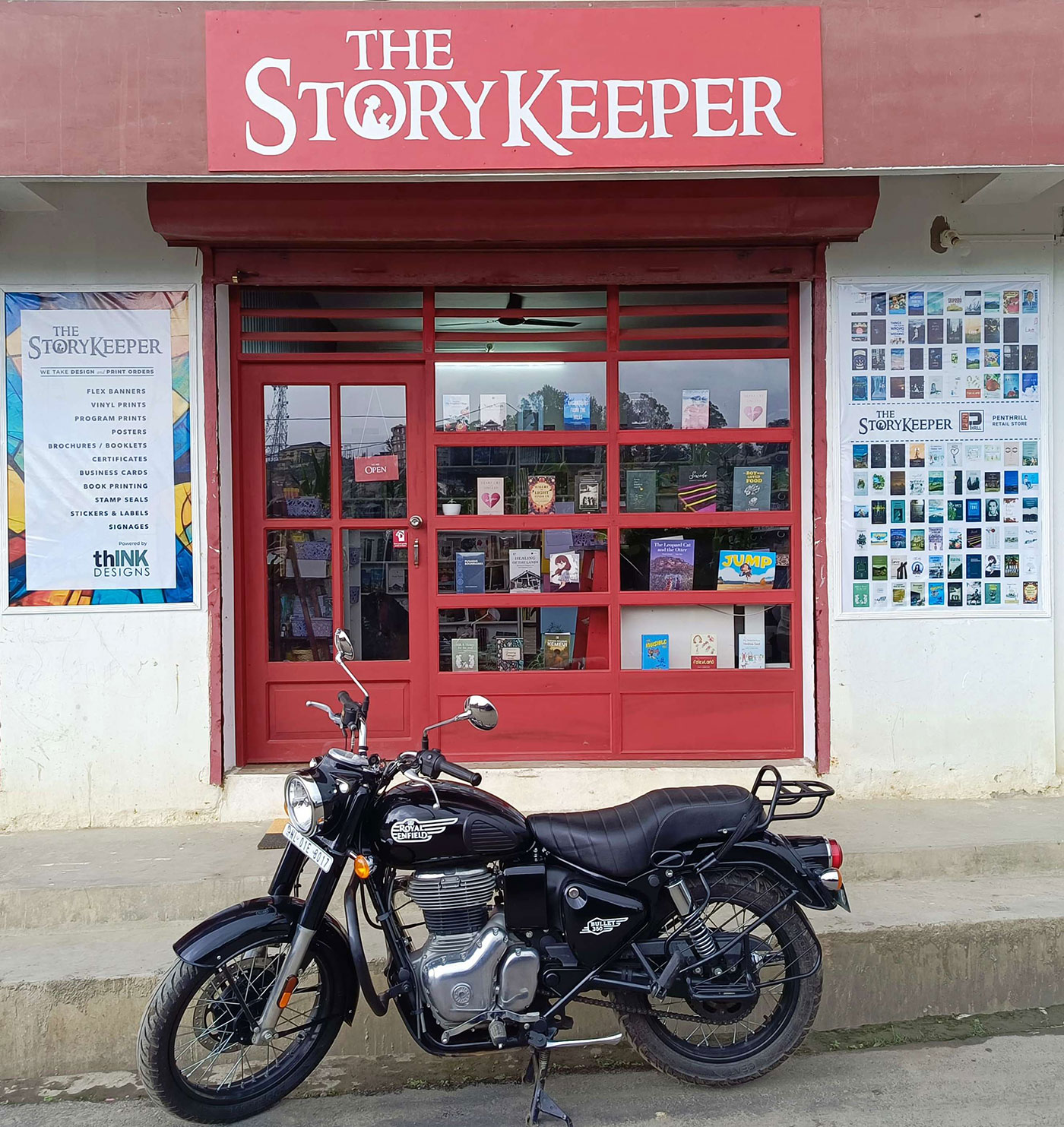
The Story Keeper was created from a simple belief—that physical books still matter.
The response has been very encouraging. Even though the bookstore is not in a central location, people still make the effort to visit, whether to look for specific titles or simply to browse. For us, even footfall itself is meaningful—it shows curiosity and interest.
Children naturally love stories. The key is to nurture that early interest so it continues into adulthood.
There are challenges, especially because Nagaland is linguistically diverse and English remains the primary medium of education. Indigenous language publishing is still limited, but efforts are growing, and that gives hope.
Yes, many. And sadly, we are already late in documenting them.
A large part of our oral culture is disappearing with older generations. That is why I always encourage young people to sit with their elders, listen to their stories, and record them in any form possible.
Even if they do not write them immediately, recording these voices ensures they are not lost forever.
Looking back, it feels like a journey I never planned. I started without structure or certainty, only with passion.
What I know now is that PenThrill has helped many people see themselves as writers. When I was growing up, writing was not seen as a profession. Today, that has changed.
We are also seeing a shift where Nagas are beginning to tell their own stories in their own voices. That is important, because stories are everything—we are nothing without them.
They hold our history, our culture, our identity, and our way of life. Without stories, there is no memory of who we are.