Ukhrul is a hill district in Manipur, home to the Tangkhul Nagas. The road from Imphal winds through pine forests and low-hanging clouds. It is about 79 kilometres of curves and calm that take just over an hour and a half to travel. It’s a place known for many things — its sharp winters, its people, and most famously, the Shirui Lily, a flower that grows only on the Shirui Kashong peak and nowhere else in the world.
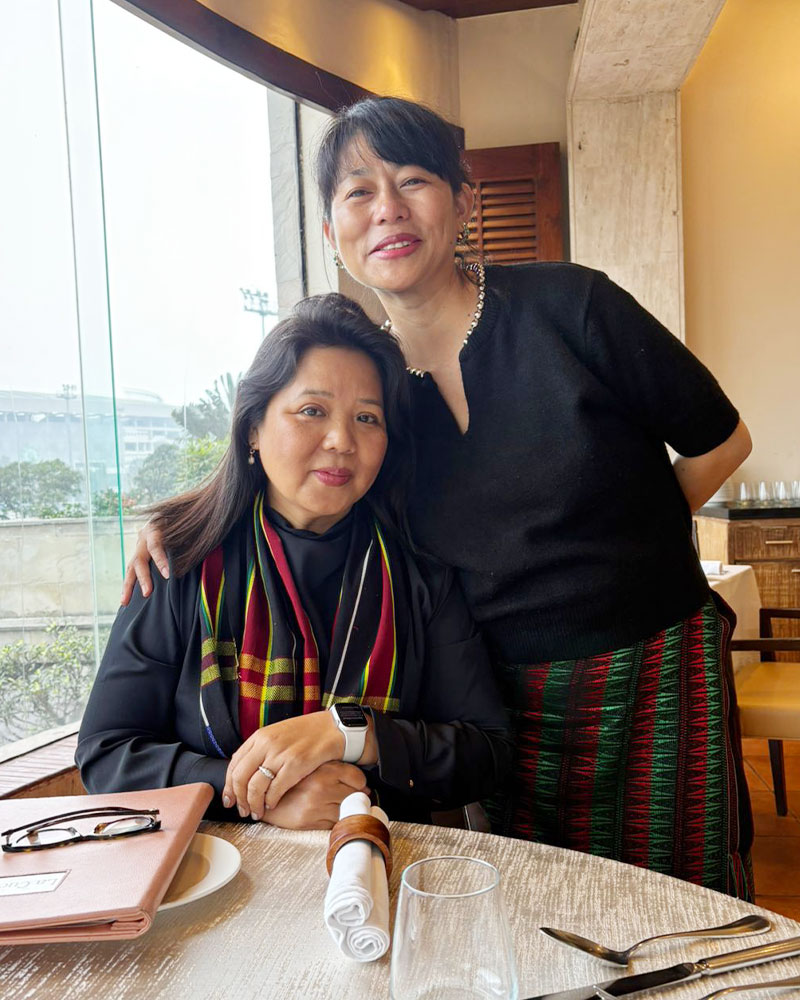
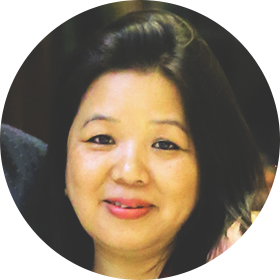
When Ningreichon Tungshang moved from Ukhrul to Delhi, she didn’t just leave behind a place she carried it with her. In her language, in her silences, in the way she cooked. A mother and writer, and part of the Naga People’s Movement for Human Rights, Ningreichon has her hands full. And in her everyday life whether through activism or feeding those who come to her home she holds on to the idea that remembering where you come from is a kind of responsibility.
Her connection to home isn’t just about politics or rights. It’s also about small things like the smell of smoked pork, the feel of fermented bamboo shoot between your fingers, the joy of preparing a meal that tastes like where you’re from.
“Even without realising it, we carry home in our hands,” she says.
“When we cook, we remember. When we share food, we keep a part of the past alive.”
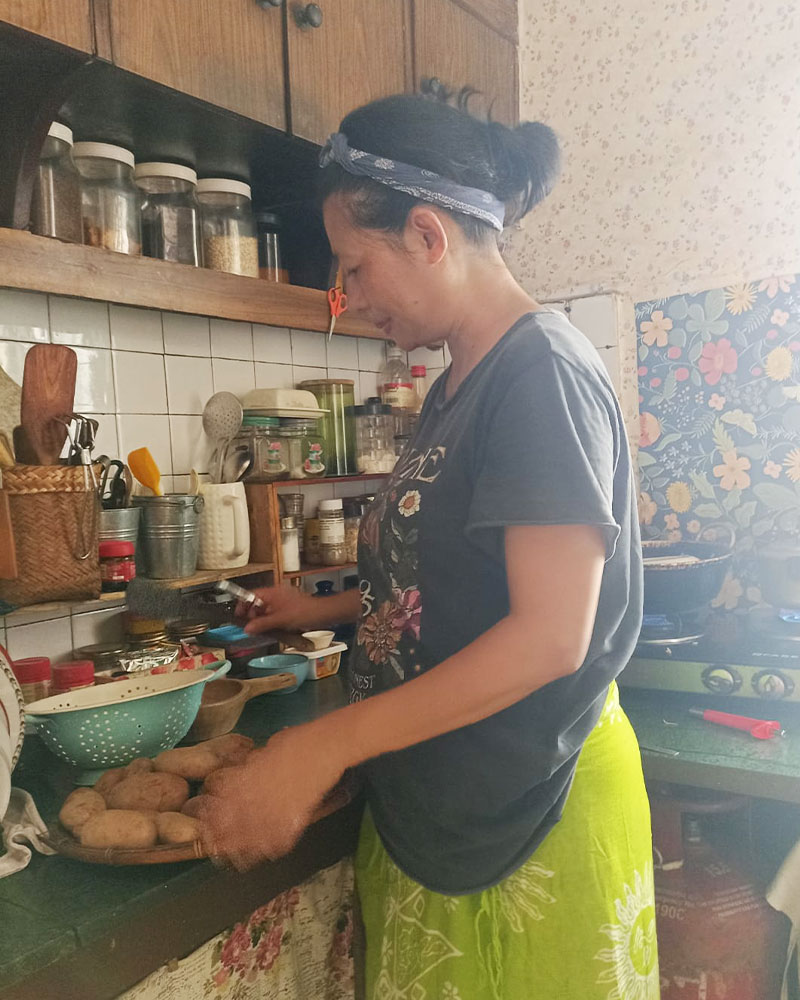
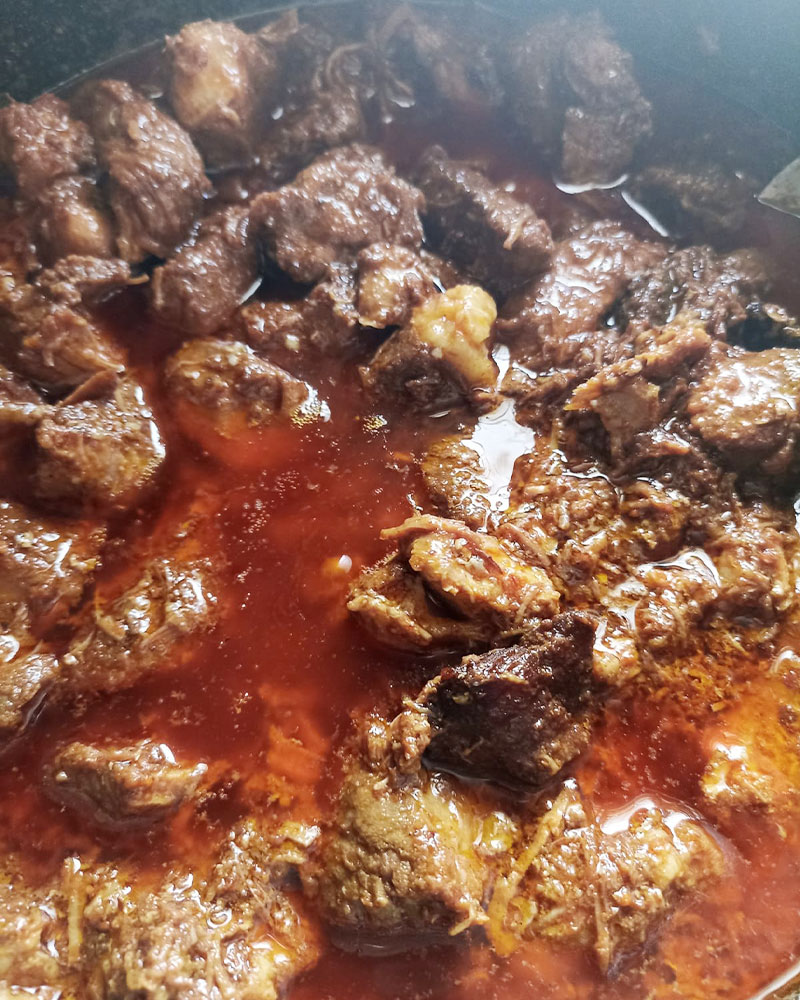
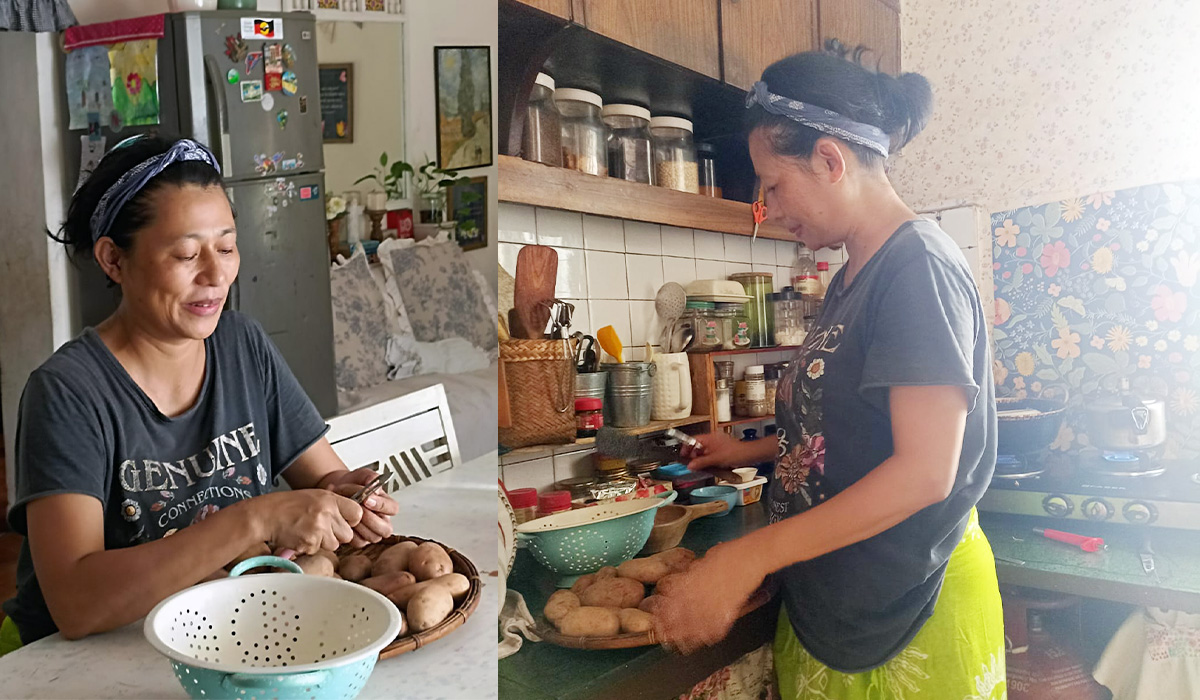
In Naga communities, pork is more than a staple. It’s a cultural signature. Each tribe has its own way of preparing it: the Lotha with dried bamboo shoot, the Ao and Konyak with anishi (sun-dried taro leaf patties), and the Sema with akhuni (fermented soybean). For Tangkhul Nagas, the defining flavour is raphei hoksa, smoked pork often cooked with wild herbs. What makes Tangkhul food distinct isn’t just the method, it's the materials. Ningreichon still uses hao-machi, an indigenous salt with a pungent, earthy sharpness found only in certain villages of Ukhrul. And whenever possible, she cooks in a hampai, a black earthen pot that’s handmade in her home district. It’s the kind of vessel that holds both food and memory.
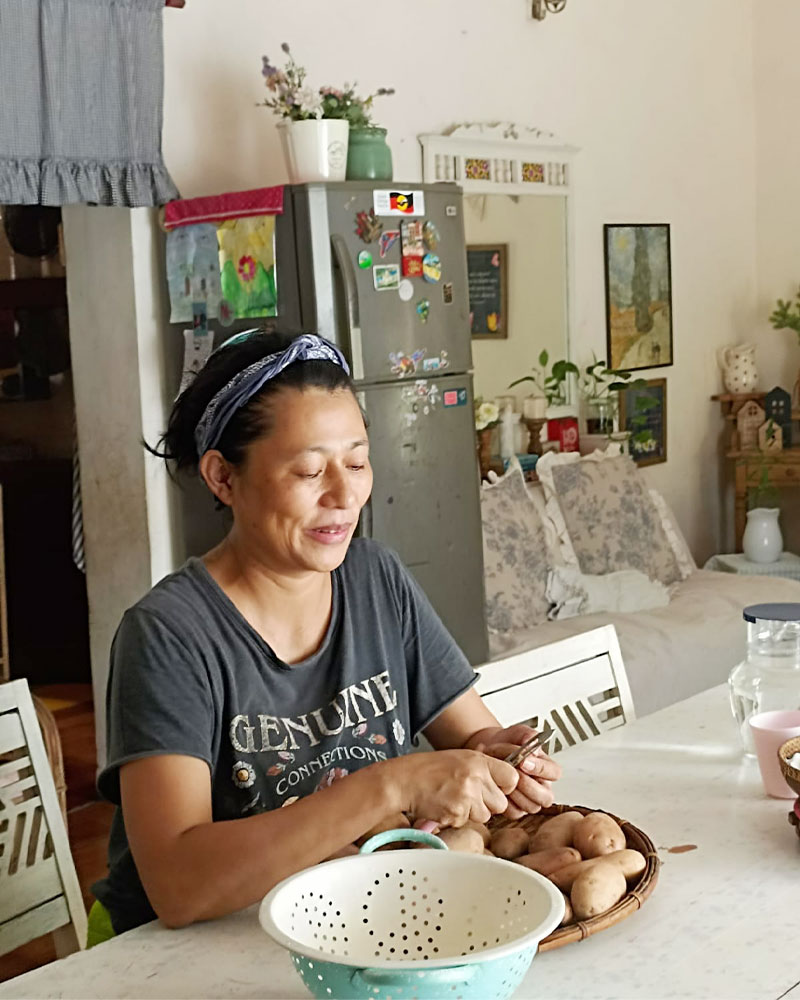
In Delhi, this dish became Ningreichon’s anchor. After she left her full-time job to raise her children, she found herself drawn more and more to the kitchen not just to cook, but to reconnect. When the family moved into a slightly larger home, she found the space and the courage to start something she had been dreaming about for years: a small, home-based food experience.
Twice a week, on Fridays and Saturdays, she opened her doors to strangers and friends alike. It wasn’t a restaurant, but a lived-in home space where meals were served buffet-style. Flyers were posted online, and word travelled within tight circles. Some weeks, there were no bookings. Still, she cooked. On other days, guests filled the house eating, talking, discovering food that felt new but somehow familiar.
The first buffet felt like a community gathering: “It was like a dhaba party,” she remembers. “People didn’t just come to eat. They lingered, asked questions, and sat at our table.”
One of her earliest orders came from a Muslim friend, a moment that surprised her not only because pork was on the menu, but because it reminded her how food can transcend assumed boundaries. “People will travel great distances for a good meal,” she says, “but also for warmth, for welcome, for something that feels real.”
Living in Delhi, Ningreichon learned early that identity is not always easy to carry. In hostel kitchens, bamboo shoots and dried fish triggered alarm. “Once we were cooking in our room and the neighbours thought something had caught fire,” she laughs. “We turned off the lights and waited for the smell to die down.”
That episode, like many others, made her more aware of the many compromises people from the Northeast often make in urban spaces: to cook discreetly, to speak gently, to carry oneself with care. But it also sharpened her resolve.
“Just because people don’t understand your culture doesn’t mean you have to shrink,” she says. “But it also doesn’t mean you push back with anger. There’s power in how you carry yourself—in being present, and patient.”
Delhi is a different city now. Northeast grocery stores dot the corners of neighbourhoods. Pork is easier to find. So are dried herbs and fermented bamboo. Still, she believes presence matters just as much as access. “We have to keep showing up not just in our homes, but in conversations, in workplaces, in how we teach our children.”
At home, cooking has become a ritual small and sacred. Dried fish slipped into the greens without thinking. Garlic is peeled slowly, just like her mother used to do. “We call these things ‘veg meals,’ but they’re never just that,” she says. “They’re a thread to something older.”
Back in Ukhrul, kitchen work was collective. Cooking was never a lonely act. “You sat with your sisters, your aunties. Someone would clean the beans. Someone else would wash the meat,” she recalls. “It was storytelling. It was learning.”
Now, kitchens are smaller. Time is short. Her children’s lives move at a different pace. “I don’t know if they’ll hold on to these rituals. Things are not the same.”
Which is why writing matters. “I write so they can read later. Maybe they’ll never cook like I do. But they’ll know we once did.” She also runs a homestay in South Delhi, where every room is thoughtfully decorated with an ethnic touch making sure it feels like home for anyone visiting the city
For Ningreichon, storytelling is another form of cultural preservation. She sees a growing wave of young writers from the Northeast and welcomes it. But she also worries about what gets lost. “There’s more polish now, but less truth. The older stories—even with broken grammar—had depth. They came from lived experience.” She believes authenticity matters, especially in writing. “Don’t write to impress. Write to remember. Write to honour.”
Though The Family Kitchen no longer runs its weekly buffets, its spirit hasn’t gone anywhere. People still write in, asking about her pork dishes. Friends of friends still reach out, remembering a meal they once had around her table. And in her own home, the memories continue that is carried in every dish she prepares, in every recipe that refuses to fade.
“The city pulls you in many directions,” Ningreichon says. “But the kitchen pulls me home.”
Now and then, we forget how culture endures. But in small, everyday acts.